 Pin this
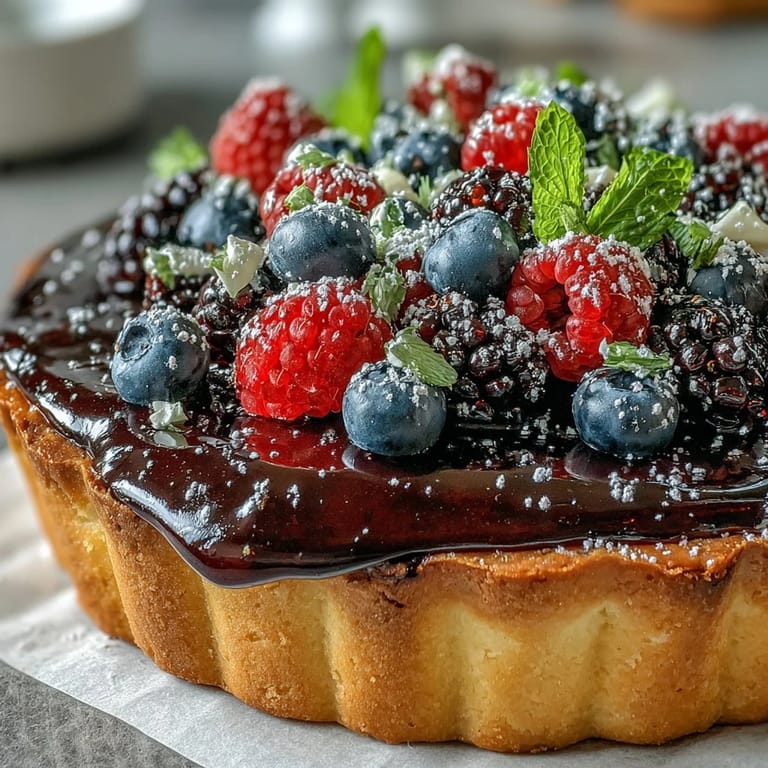
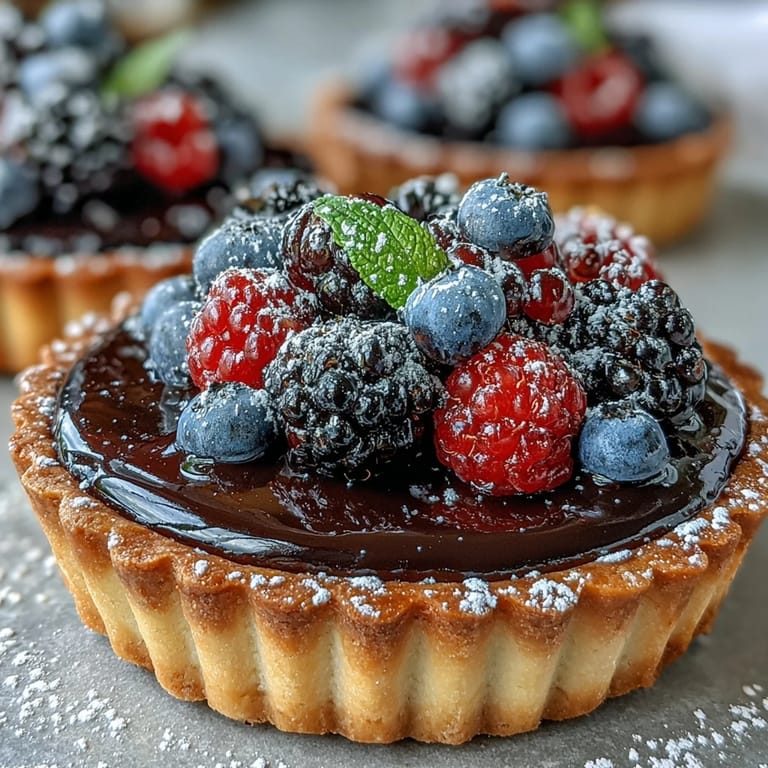
 Experience the essence of French pâtisserie with this exquisite Black Currant Fruit Tart. Combining a traditional shortcrust pastry with the bold, tangy depth of black currants, this dessert is a masterpiece of balance and color. The deep purple curd provides a striking contrast against the golden, buttery crust, making it as much a feast for the eyes as it is for the palate.
Pin this While many fruit tarts rely on heavy custards, this version celebrates the pure intensity of the black currant. Whether you use fresh berries from the garden or frozen ones for year-round indulgence, the result is a sophisticated treat that captures the spirit of a summer afternoon in the French countryside.
Ingredients
Tired of Takeout? 🥡
Get 10 meals you can make faster than delivery arrives. Seriously.
One email. No spam. Unsubscribe anytime.
- For the Tart Crust
- 1 1/4 cups (160 g) all-purpose flour
- 1/2 cup (115 g) unsalted butter, cold and cubed
- 1/4 cup (30 g) powdered sugar
- 1/4 tsp fine sea salt
- 1 large egg yolk
- 1–2 tbsp cold water
- For the Black Currant Curd
- 1 cup (150 g) fresh or frozen black currants
- 1/2 cup (100 g) granulated sugar
- 2 tbsp lemon juice
- 2 large eggs
- 1 large egg yolk
- 4 tbsp (60 g) unsalted butter, cubed
- For Assembly
- 1/2 cup (75 g) fresh black currants or mixed berries (raspberries, blueberries, red currants)
- Powdered sugar, for dusting (optional)
- Fresh mint leaves, for garnish (optional)
Instructions
- Step 1
- Prepare the tart crust: In a food processor, pulse flour, powdered sugar, and salt. Add cold butter and pulse until mixture resembles coarse crumbs. Add egg yolk and 1 tbsp cold water; pulse until dough just comes together, adding more water only if needed.
- Step 2
- Shape dough into a disk, wrap in plastic, and chill for 30 minutes.
- Step 3
- Preheat oven to 350°F (175°C). On a lightly floured surface, roll out dough to fit a 9-inch (23 cm) tart pan. Press into pan and trim edges. Prick base with a fork and chill for 10 minutes.
- Step 4
- Line tart shell with parchment and fill with pie weights or dried beans. Bake for 15 minutes, remove weights and parchment, and bake 10–12 minutes more until golden. Cool completely.
- Step 5
- Make the black currant curd: In a saucepan, combine black currants, sugar, and lemon juice. Cook over medium heat, stirring, for 5–7 minutes until fruit softens and bursts. Purée mixture and strain to remove skins and seeds.
- Step 6
- Return strained purée to saucepan. Whisk in eggs and yolk. Cook over low heat, stirring constantly, until mixture thickens enough to coat a spoon (about 7–10 minutes). Do not boil.
- Step 7
- Remove from heat and whisk in butter until smooth. Pour curd into a bowl and cover surface with plastic wrap. Chill until slightly set, about 30 minutes.
- Step 8
- Assemble tart: Spread black currant curd evenly in cooled tart shell. Arrange fresh berries on top. Chill tart for at least 1 hour before serving.
- Step 9
- Dust with powdered sugar and garnish with mint leaves if desired.
Zusatztipps für die Zubereitung
To ensure a perfectly smooth curd, always strain the purée through a fine-mesh sieve to remove every bit of skin and seed. When blind baking the crust, using pie weights is essential to prevent the bottom from bubbling and the sides from shrinking.
Varianten und Anpassungen
If black currants are difficult to find, red currants offer a similarly bright and tart profile. For a mixed berry variation, you can combine currants with raspberries or blackberries for a multi-layered flavor profile.
Serviervorschläge
For an extra touch of decadence, serve each slice with a dollop of lightly whipped cream or a scoop of premium vanilla ice cream. To achieve a professional bakery finish, brush the fresh berries on top with a little warmed apricot jam for a beautiful glossy shine.
 Pin this
 This Black Currant Fruit Tart is a testament to the beauty of simple, high-quality ingredients. Each serving contains approximately 310 calories, 17 g of fat, 38 g of carbohydrates, and 4 g of protein, making it a balanced yet indulgent treat for your next gathering.
Recipe Questions
- → Can I use frozen black currants instead of fresh?
Yes, frozen black currants work perfectly for making the curd. Thaw them completely before cooking, and expect to add an extra minute or two to the initial simmering time to ensure they soften properly. The final texture and flavor will be identical to using fresh fruit.
- → How far in advance can I make this tart?
The tart crust can be made and baked up to 2 days ahead, stored wrapped at room temperature. The curd keeps refrigerated for 4-5 days. However, assemble the tart no more than 6-8 hours before serving, as the crust will begin to soften once filled. The assembled tart is best served the same day.
- → What can I substitute for black currants?
Red currants make an excellent substitute with a similar tart profile. For a different but equally delicious variation, try raspberries, blackberries, or a mix of berries. Adjust the sugar slightly based on the natural sweetness of your chosen fruit.
- → Why did my curd turn out grainy or scrambled?
Curd requires gentle heat and constant attention. Cook over low or medium-low heat, never allowing the mixture to boil. Stir continuously in a figure-eight motion, ensuring you reach the corners of the pan. If you notice any signs of curdling, immediately remove from heat and whisk vigorously while straining through a fine-mesh sieve.
- → Can I make this tart without a food processor?
Absolutely. For the crust, whisk the dry ingredients together in a bowl, then cut in cold butter using a pastry blender or two knives until the mixture resembles coarse crumbs. Work quickly to keep the butter cold. The rest of the process remains the same.
- → How do I know when the curd is thick enough?
The curd is ready when it coats the back of a wooden spoon and leaves a clear path when you run your finger through it. Another test: dip a spoon into the curd and run your finger down the back—the line should hold without the curd running together. Remember it will thicken further as it chills.