 Pin this
 There's something about the way lemon and shrimp find each other on a plate that feels almost intentional, like they were meant to dance together. I discovered this particular combination on a Tuesday evening when I had shrimp in the freezer and a lemon rolling around my fruit bowl, and suddenly 30 minutes later, I had a dinner that tasted like I'd been planning it all week. The brightness of the citrus cuts through the richness of the butter and oil so cleanly that you feel lighter after eating it, even though you're completely satisfied. This is the kind of dish that works for a casual dinner when you're tired but still want something that feels special.
I made this for my neighbor once when she mentioned she was exhausted from work and didn't feel like cooking, and I watched her face change the moment she tasted it—the kind of quiet happiness that comes from something so simple and honest. She asked for the recipe three times that evening, and I realized then that the best meals aren't always the complicated ones; sometimes they're just the ones that arrive when you need them most.
Ingredients
- Large shrimp (400 g): Buy them with the shells still on if you can, then peel them yourself—it takes an extra two minutes but they cook more evenly and taste sweeter.
- Linguine or spaghetti (340 g): Linguine holds onto the sauce better than thin spaghetti, but honestly, use whatever you have.
- Fresh garlic (3 cloves): Mince it fine and don't let it sit around after cutting—the flavor fades fast once it's exposed to air.
- Lemon (1 large): Pick one that feels heavy for its size; that's where the juice lives, and zest it before you cut it in half.
- Fresh parsley and basil: These aren't decorations—they're the soul of the dish, so don't skip them or substitute dried herbs.
- Extra-virgin olive oil (3 tbsp): This is where quality actually matters; cheap oil tastes thin and hollow by comparison.
- Unsalted butter (1 tbsp): It adds a whisper of richness that balances the brightness of the lemon perfectly.
- Salt and black pepper: Season generously at the end; timid seasoning makes everything taste flat.
Tired of Takeout? 🥡
Get 10 meals you can make faster than delivery arrives. Seriously.
One email. No spam. Unsubscribe anytime.
Instructions
- Start your water:
- Fill your largest pot about three-quarters full with water, add a generous handful of salt, and bring it to a rolling boil—you want it loud and aggressive before the pasta goes in.
- Cook the pasta:
- Add the linguine and stir it immediately so nothing sticks together, then cook until it's just barely tender with a tiny bit of resistance when you bite it. While it's cooking, grab a measuring cup and remember to reserve the pasta water before you drain it—this starchy water is magic.
- Prepare the shrimp:
- Pat them completely dry with paper towels while the pasta finishes cooking; wet shrimp won't brown properly and they'll steam instead of sear.
- Sear the shrimp:
- Get your skillet hot with 2 tablespoons of olive oil until it shimmers and moves like water, then lay the shrimp down in a single layer without moving them for the first minute—let them develop a subtle color on one side before flipping.
- Build the sauce base:
- Lower the heat, add the remaining oil and butter, then add your minced garlic and let it perfume the oil for just 30 seconds, filling your kitchen with that smell that makes you remember why you love cooking.
- Bring it together:
- Add the hot pasta directly to the skillet with some of that reserved starchy water, the lemon zest, and fresh lemon juice—the water helps create a silky coating that feels luxurious without any cream.
- Finish with care:
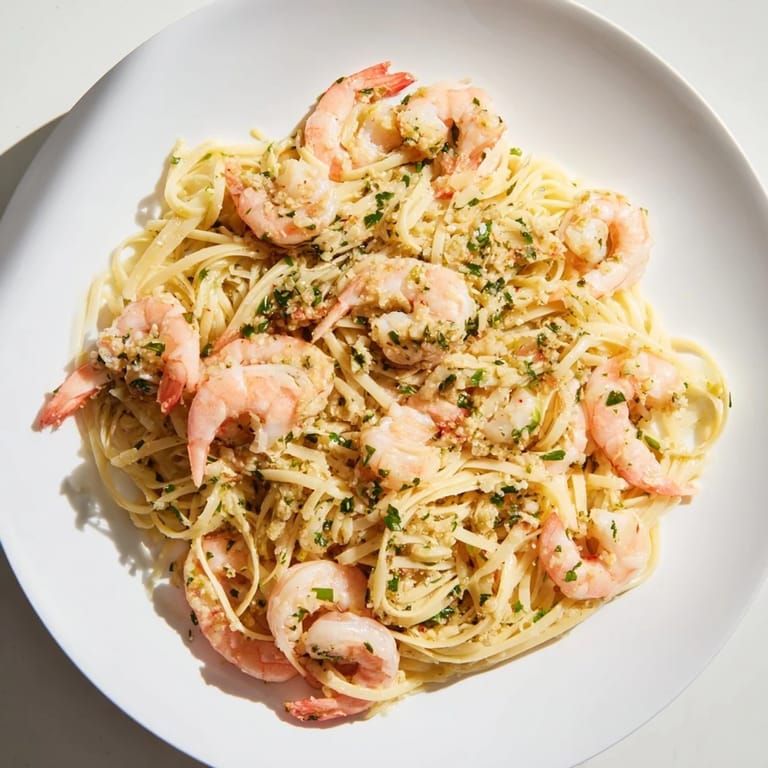
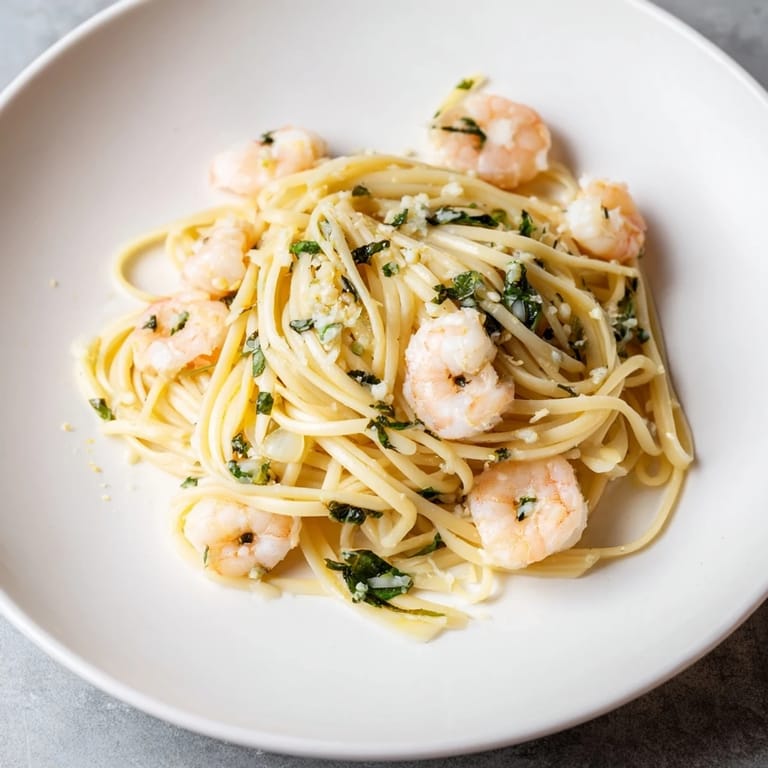
- Return the shrimp to the pan, scatter in the fresh herbs, and toss everything gently for about 30 seconds until everything is warm and glossy and smells incredible.
 Pin this
 The best version of this meal happened on a warm evening in May when I made it for friends who were passing through town, and we sat outside with glasses of cold white wine, and nobody rushed through it—everyone just kept twirling their forks and talking quietly. That's when I understood that simple food, cooked with attention and shared without fuss, creates these small moments of grace that stick with you.
Why This Works as a Weeknight Dinner
Most pasta dishes require you to make a sauce separately and then toss everything together, but this one lets the pasta water do the work for you—it's already warm and ready to emulsify with the oil and butter the moment it hits the pan. There's a real elegance in that simplicity, and it means you're not juggling multiple pans or waiting around for anything to reduce. The whole dish takes less time than ordering takeout and waiting for delivery, but it tastes like you actually cared.
The Lemon Advantage
Lemon is one of those ingredients that makes other flavors louder and more interesting without calling attention to itself—it's the reason this dish doesn't feel heavy even though there's butter and olive oil in it. The zest gives you little bursts of brightness throughout, while the juice acts as a seasoning that's actually more important than salt. I've learned that a squeeze of lemon can save a dish that's started to feel boring, which is why I always keep fresh ones around.
Customization and Pairing Ideas
This is one of those flexible recipes where you can swap things around without losing the soul of the dish—cherry tomatoes are wonderful if you halve them and add them in the last minute, and a pinch of red pepper flakes gives heat without overpowering the delicate shrimp. Fresh dill works beautifully if you don't have basil, and a splash of white wine in the pan before you add the pasta brings depth. Pour yourself a cold Sauvignon Blanc or Pinot Grigio to sip while you cook, and you've got an evening that feels both effortless and complete.
- Toast some breadcrumbs in a dry pan and scatter them on top for a surprising textural contrast.
- A small handful of capers or a whisper of anchovy paste adds complexity if you're feeling adventurous.
- Keep the garnish simple—fresh herbs, lemon wedges, and perhaps a light dusting of Parmesan are all you really need.
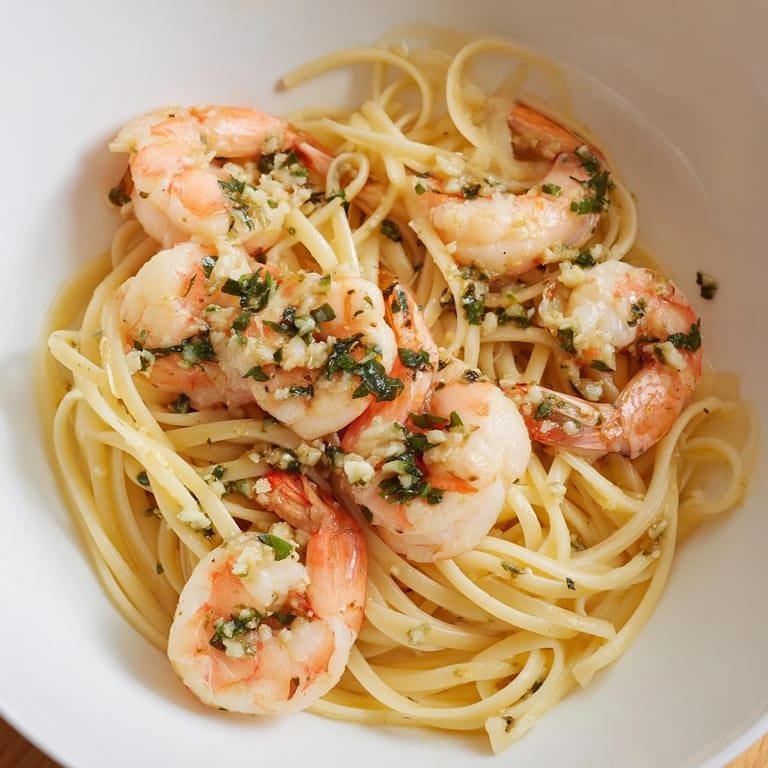 Pin this
 This is the kind of recipe that becomes part of your regular rotation because it's reliable and quick and genuinely delicious. Every time you make it, you'll find it's a little different—more or less lemon, a handful of fresh herbs you didn't have last time, the quality of the shrimp changing with the season—and that variation is part of what keeps it feeling fresh.
Recipe Questions
- → What type of pasta works best for this dish?
Linguine or spaghetti are ideal as they hold the sauce well and complement the shrimp's texture.
- → Can I substitute fresh herbs with dried ones?
Fresh parsley and basil provide the best vibrant flavor, but dried herbs can be used in smaller amounts if needed.
- → How do I prevent shrimp from overcooking?
Cook shrimp for just 1-2 minutes per side until pink and opaque to keep them tender and juicy.
- → Is it possible to make this dish dairy-free?
Yes, simply omit the butter and Parmesan cheese to keep it dairy-free without losing flavor.
- → What wine pairs well with this pasta?
Sauvignon Blanc or Pinot Grigio are excellent choices, offering a crisp contrast to the herbs and lemon.