 Pin this
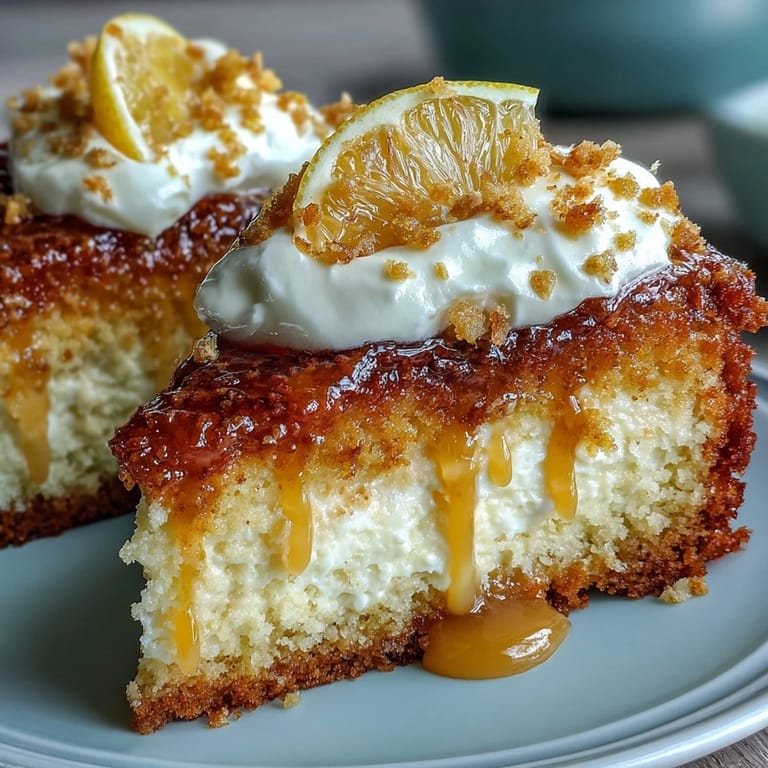
 There's something about the smell of butter and lemon zest hitting a hot oven that makes you feel like you've actually got your life together. I discovered this tart on a rainy Thursday afternoon when I was supposed to be doing something far more productive, and instead I found myself mesmerized by how a handful of simple ingredients could become something so impossibly elegant. The first time I pulled it out, golden and wobbling slightly in the center, my partner actually stopped mid-conversation to ask what I'd done differently that day. That's when I knew this recipe was a keeper.
I made this for my sister's garden party last spring, and watching people's faces when they bit into the crust was genuinely rewarding. The way the buttery shell shattered and gave way to that silky, tangy filling—there was a moment of quiet that said more than any compliment could. She asked for the recipe before dessert was even finished, and that's when I realized this tart had earned its place in my regular rotation.
Ingredients
- All-purpose flour: The foundation of your crust, and cold hands matter more than anything else here.
- Unsalted butter, cold and cubed: This is where the magic happens—those tiny butter pieces create the flaky layers you're after, so don't let it warm up before you pulse it.
- Powdered sugar: Adds delicate sweetness to the crust without making it tough or dense.
- Fine sea salt: Just a pinch, but it grounds all the flavors together.
- Egg yolk: Binds the dough and adds richness and a golden color when baked.
- Ice water: The secret to keeping everything cold and the crust tender; add it gradually so you don't overwork the dough.
- Eggs and egg yolks: These create the custardy filling that's simultaneously creamy and set with a subtle jiggle.
- Granulated sugar: Sweetens the filling and works with the eggs to create that silky custard texture.
- Freshly squeezed lemon juice: Never skip the fresh stuff—bottled juice tastes flat and one-dimensional compared to the brightness you get from real lemons.
- Lemon zest: The fragrant oils in the zest add an extra layer of flavor that makes people ask what your secret ingredient is.
- Melted and cooled butter: Enriches the filling and adds a luxurious mouthfeel without weighing it down.
Tired of Takeout? 🥡
Get 10 meals you can make faster than delivery arrives. Seriously.
One email. No spam. Unsubscribe anytime.
Instructions
- Gather and prep:
- Set your oven to 350°F and make sure your butter is genuinely cold straight from the fridge. Cold butter is non-negotiable—it's the difference between a tender, flaky crust and one that feels more like a cookie.
- Build your crust:
- Pulse your flour, powdered sugar, and salt in the food processor, then add those cold butter cubes and pulse until it looks like coarse breadcrumbs—you want to see tiny flecks of butter throughout. Add the egg yolk and a couple tablespoons of ice water, pulsing gently until the dough just comes together without overworking it.
- Rest the dough:
- Pat it into a disk, wrap it, and stick it in the fridge for 30 minutes if you can wait that long. This isn't just about being patient; it's about letting the gluten relax so your crust won't shrink in the oven.
- Line the pan:
- Roll the dough out between two sheets of parchment to avoid a mess, then press it gently into your 9-inch tart pan and trim the edges. Prick the bottom with a fork so it doesn't puff up, then line it with parchment and fill it with pie weights or dried beans.
- Blind bake the shell:
- Bake for 15 minutes, then carefully remove the weights and parchment and bake another 10 minutes until it's pale golden. You're looking for it to smell toasty and feel set but not dark—this is just the first round.
- Make the filling:
- While the crust cools slightly, whisk together your eggs, egg yolks, sugar, fresh lemon juice, lemon zest, cooled melted butter, and salt in a bowl until completely smooth. The filling should look pale and homogeneous with no streaks of egg white.
- Pour and bake:
- Pour the filling into that warm crust and slide it back into the oven for 20 to 25 minutes. You're looking for the edges to be set and the center to barely jiggle when you gently shake the pan—it should look like it's just on the edge of being done.
- Cool with patience:
- Let it cool completely on a wire rack, then refrigerate for at least two hours. This waiting is actually your friend because the filling continues to set and the flavors deepen as it chills.
- Finish it beautifully:
- Dust generously with powdered sugar just before serving, and if you're feeling fancy, add thin lemon wheels or a sprig of mint.
 Pin this
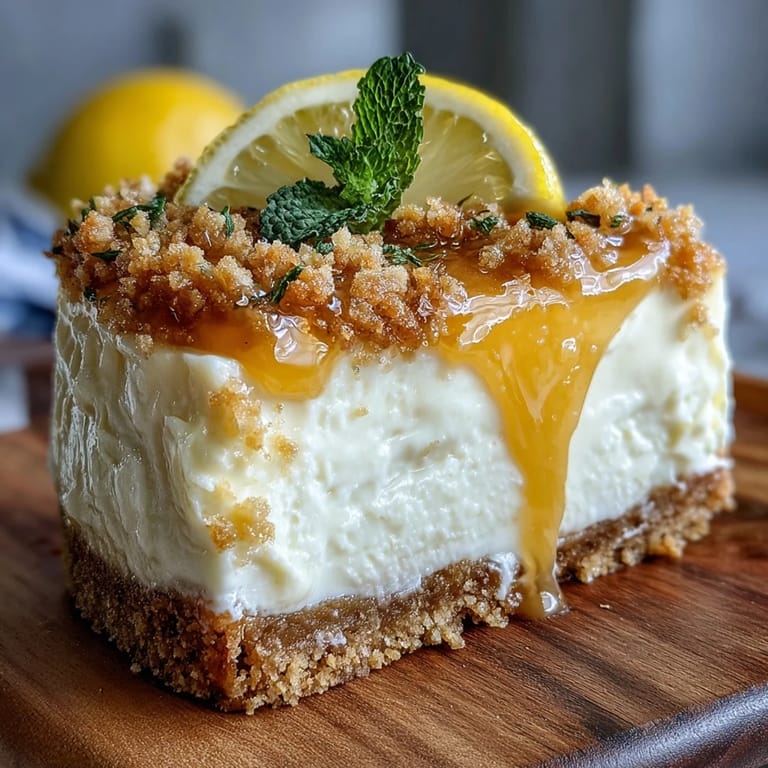
 There's a particular joy in serving a slice of this tart and watching someone discover that balance between the salty-buttery crust and the bright, silky filling. It stopped being just a dessert the moment I realized it could carry a whole afternoon—the kind of dish you make when you want to say thank you without saying much at all.
The Crust: Your Foundation Matters
The crust is where most people either nail it or struggle, and honestly, it comes down to keeping things cold and not overthinking the process. I learned this the hard way by overworking dough because I was worried it wasn't coming together fast enough—the result was dense and tough, nothing like the tender, shattering pastry I was after. After that, I stopped fussing and started trusting the pulse button on my food processor to do the work for me.
Lemon Juice: Fresh or Don't Bother
Using bottled lemon juice is like showing up to a party without actually being present—technically you're there, but something essential is missing. The first time I made this with fresh squeezed juice, the difference was so stark that I felt a little foolish for ever considering the alternative. The tartness is brighter, the flavor is more complex, and it actually tastes like lemon instead of like lemon-flavored chemistry.
Serving and Variations That Actually Work
This tart reaches peak deliciousness when served chilled with a dollop of whipped cream or a spoonful of crème fraîche alongside, which cuts through the richness just enough to keep you coming back for another bite. I've experimented with swapping some of the lemon juice for blood orange or lime, and while the base recipe is perfect as written, those variations open up new possibilities depending on the season and your mood. A glass of cold Sauternes or even a crisp sparkling wine becomes transcendent next to a slice of this.
- Dust the powdered sugar on just before serving so it doesn't absorb moisture and disappear into the filling.
- Store leftover tart covered in the refrigerator for up to three days, and it actually tastes even better the next day as flavors meld.
- If you want extra sweetness in the filling, add another two tablespoons of sugar, though the tartness is really where the magic lives.
 Pin this
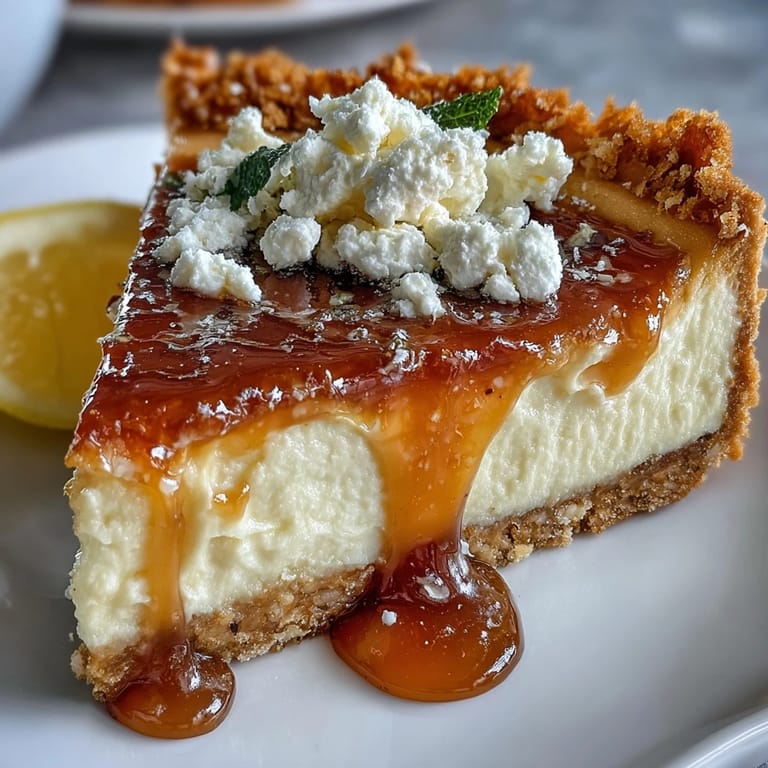
 This lemon tart has become my answer when I want to impress someone with minimal stress and maximum elegance. It's the kind of dessert that makes ordinary moments feel like celebrations.
Recipe Questions
- → How do I achieve a crisp crust?
Use cold unsalted butter and minimal water when mixing the dough. Chill it before rolling out to prevent shrinking and ensure crispness.
- → Can I substitute lemon juice with other citrus?
Yes, blood orange or lime juice can provide interesting flavor variations while maintaining acidity balance.
- → What’s the best way to avoid a soggy crust?
Blind bake the crust with weights until lightly golden to create a barrier, then fill and finish baking to set the filling.
- → How long should the tart chill before serving?
Allow at least 2 hours in the refrigerator so the filling firmly sets and the flavors meld nicely.
- → What garnishes complement this tart?
Powdered sugar dusting, thin lemon slices, fresh berries, or mint leaves enhance presentation and fresh notes.