 Pin this
 I discovered chermoula at a tiny restaurant tucked into the Medina of Fez, where the cook let me watch as she ground fresh spices and chopped herbs with practiced ease. The scent alone—cilantro and lemon and warm cumin—made me understand why this marinade has stayed alive in Moroccan kitchens for generations. I came home determined to recreate that magic, and after a few kitchen experiments, I realized the secret wasn't complexity but the quality of each ingredient working in harmony. Now whenever I make this, I'm transported back to that narrow kitchen and the way she smiled when I asked for her method.
My friend Sarah brought a whole branzino to dinner one evening, and I threw together this marinade while she set the table. Thirty minutes later, the kitchen smelled so incredible that her kids came running from the living room asking what was happening. When we pulled that golden fish from the oven, everyone went quiet for a moment—not because they were being polite, but because they were too busy tasting it. That's when I knew this wasn't just a recipe; it was a conversation starter.
Ingredients
- Fresh cilantro (1 cup packed): This is your star player—use the leaves and tender stems, and don't skip the chopping by hand because you want a rustic texture that catches the oil beautifully.
- Fresh flat-leaf parsley (½ cup packed): It adds freshness without competing with the cilantro, so don't try to substitute dried herbs here.
- Garlic cloves (4, minced): Four cloves might seem bold, but they mellow out and become sweet as the marinade sits, creating depth rather than harshness.
- Shallot (1 small, finely minced, optional): I use it when I want the marinade to feel a bit more refined and less punchy, but it's truly your call.
- Lemon (zest and juice of 1 large): The zest carries oils that juice alone can't deliver, so microplane it directly over the bowl and let those oils break into the oil.
- Ground cumin (2 tsp): Toast it in a dry pan first if you have time—five minutes makes it taste like it came straight from a spice market in Marrakech.
- Sweet paprika (1½ tsp): The sweet kind gives you color and warmth without too much smoke, which is crucial because bitterness ruins everything.
- Ground coriander (1 tsp): Floral and subtle, it's the quiet friend that makes everyone else shine.
- Cayenne pepper (½ tsp, adjust to taste): Start here and taste as you go—I've learned the hard way that heat is personal and irreversible.
- Ground black pepper (½ tsp): Freshly ground makes a real difference; pre-ground has lost its snap.
- Extra-virgin olive oil (½ cup): Don't use the cheap bottle—this is where quality actually matters because there's nowhere to hide a mediocre oil.
- Sea salt (1½ tsp): Coarse sea salt dissolves better and distributes flavor more evenly than fine salt.
Tired of Takeout? 🥡
Get 10 meals you can make faster than delivery arrives. Seriously.
One email. No spam. Unsubscribe anytime.
Instructions
- Gather your herbs and aromatics:
- Finely chop the cilantro and parsley by hand on a cutting board, then mince your garlic and shallot until they're small enough to distribute evenly throughout the paste. This step takes patience, but rough pieces will stick unpleasantly to fish, while a fine chop creates that silky coating.
- Build the flavor base:
- In your medium bowl, combine the chopped herbs with the minced garlic and shallot, then add the lemon zest and fresh juice. Stir gently so the zest doesn't clump, and notice how the lemon already brightens the green—that's a good sign.
- Add the spices:
- Sprinkle in your cumin, paprika, coriander, cayenne, and black pepper, stirring after each addition so everything distributes evenly. If you added toasted cumin, it'll smell even more incredible now.
- Bring it together with oil and salt:
- Pour in your olive oil slowly while stirring, watching as the dry herbs absorb it and the whole mixture becomes thick and fragrant. Add your sea salt and mix until you can't see any white specks of undissolved salt.
- Taste and adjust:
- This is non-negotiable—dip a small piece of bread or your finger in and taste it honestly. If it needs more lemon, add it now; if the heat is too intense, stir in a bit more oil to dilute it.
- Apply to fish and marinate:
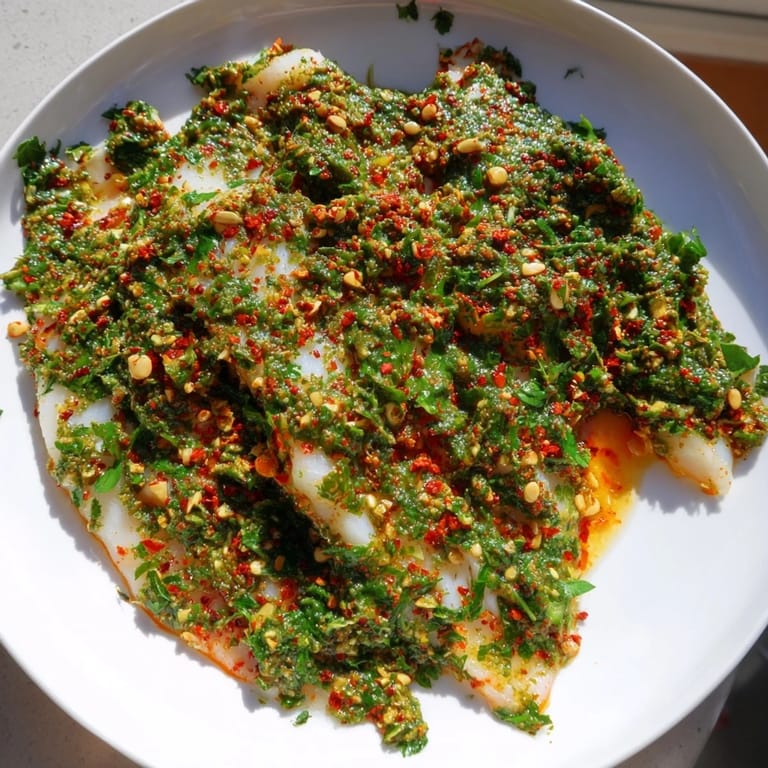
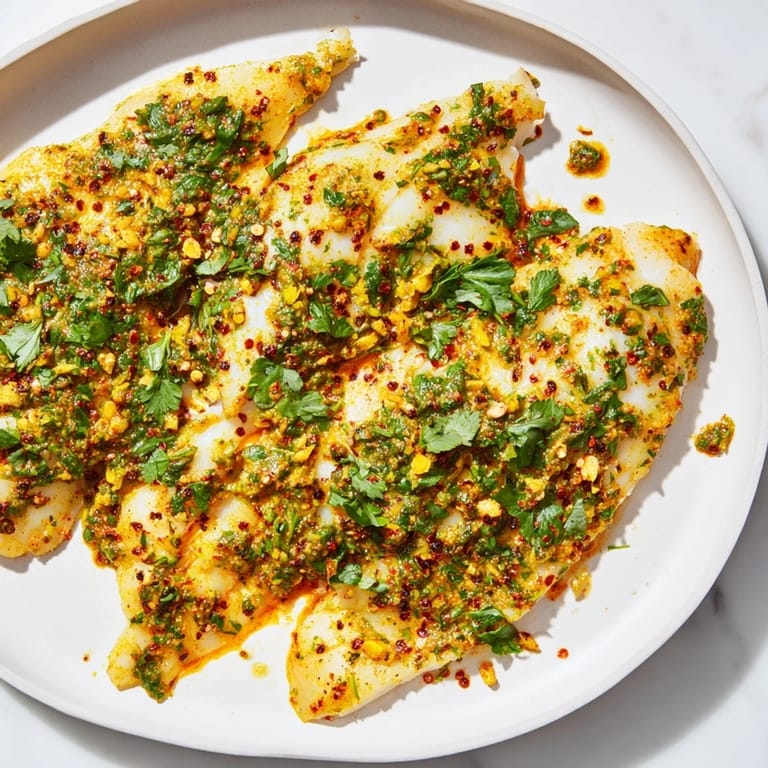
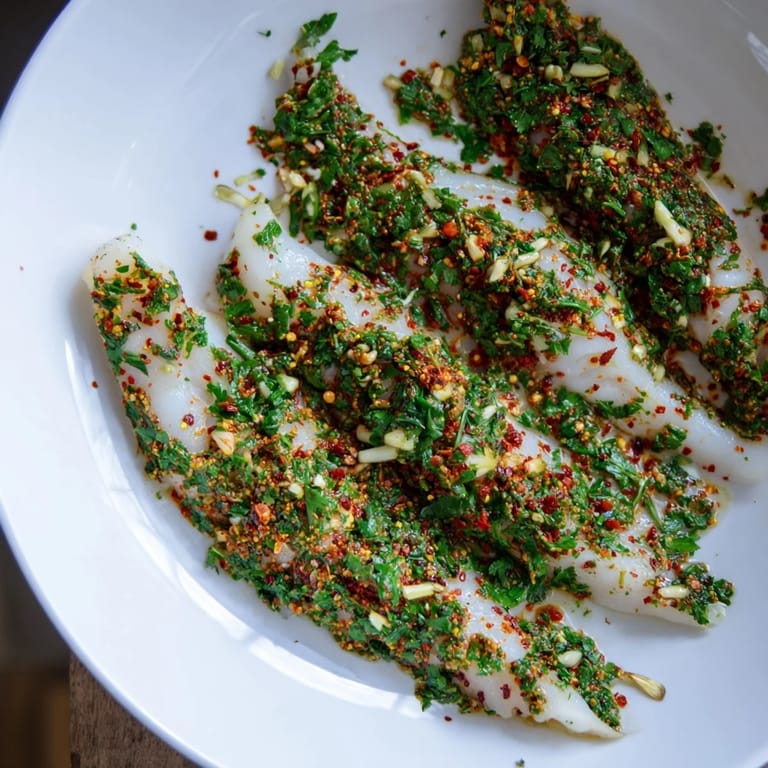
- Coat your fish fillets or whole fish generously on all sides, making sure the paste works into any crevices. Cover and refrigerate for at least 30 minutes; two hours is even better as the flavors deepen and the fish begins to cure slightly.
 Pin this
 I once made this for my mother-in-law, who's Portuguese and has strong opinions about fish, and she tasted it straight from the bowl before I could even tell her what it was. She closed her eyes and asked where I learned to cook like this, and something about that moment—her trust, her surprise—made me understand that good food is really just paying attention to what matters. It's the simplest recipe I know, but it's taught me more about cooking than anything complicated ever could.
Which Fish Works Best
White fish with mild, delicate flavor is your best friend here because the marinade enhances rather than overpowers—think cod, snapper, sea bass, halibut, or even flounder. Firmer fish like salmon or mackerel can take it too, though their richness sometimes competes with the herbs. I've also had tremendous success with whole sardines or mackerel when I want something faster and more rustic, and shrimp is absolutely magical when marinated for just 15 minutes before a quick sauté.
Beyond Fish: Other Uses
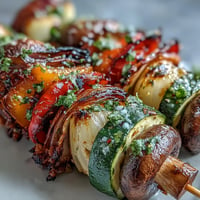
This marinade is far too good to limit to seafood alone, and I've learned that lesson by happy accident more than once. Chicken thighs marinate beautifully and stay moist, roasted vegetables like eggplant and zucchini become addictive, and I've even used it as a base for a sauce by whisking in yogurt. Once you have this paste made, you'll start seeing it as a blank canvas for whatever proteins or vegetables look good at the market that day.
Serving and Pairing Ideas
I typically pan-sear marinated fish until the edges are golden and the flesh flakes easily, then serve it on a bed of fluffy Moroccan couscous with a squeeze of fresh lemon. A crisp Sauvignon Blanc or even a cold Riesling cuts through the richness and echoes the brightness of the marinade. The leftovers—if there are any—make an incredible sandwich spread on crusty bread the next day, or a dip for raw vegetables if you thin it with a little more oil.
- Fresh herbs stay vibrant when you dress the plate just before serving, so save a small handful of cilantro to scatter on top.
- A dollop of thick yogurt or crème fraîche alongside adds creaminess that balances the heat and acidity.
- If your guests are adventurous, a pinch of Moroccan spice blend or ras el hanout sprinkled over the top deepens the authenticity.
 Pin this
 This is one of those recipes that reminds me why I cook at all—something so simple that a 10-year-old can make it, yet so flavorful that it makes people wonder where you've been hiding your skills. I hope it becomes as much a part of your kitchen as it's become of mine.
Recipe Questions
- → What is chermoula traditionally used for?
Chermoula is a marinade commonly used to flavor fish and seafood by infusing them with herbs, spices, and citrus.
- → Can I adjust the heat level in this blend?
Yes, reducing or increasing the cayenne pepper allows you to control the marinade's spiciness to suit your preference.
- → Is it necessary to use fresh herbs in this preparation?
Fresh cilantro and parsley contribute bright, vibrant flavors that dried herbs cannot fully replicate, so fresh is recommended.
- → How long should the mixture marinate before cooking?
Allowing the marinade to rest on the fish for 30 minutes to 2 hours helps the flavors to meld and intensify.
- → Can this blend be used on other proteins or vegetables?
Absolutely, it pairs well with chicken, shrimp, or vegetables, bringing a zesty herbal character to a variety of dishes.