 Pin this
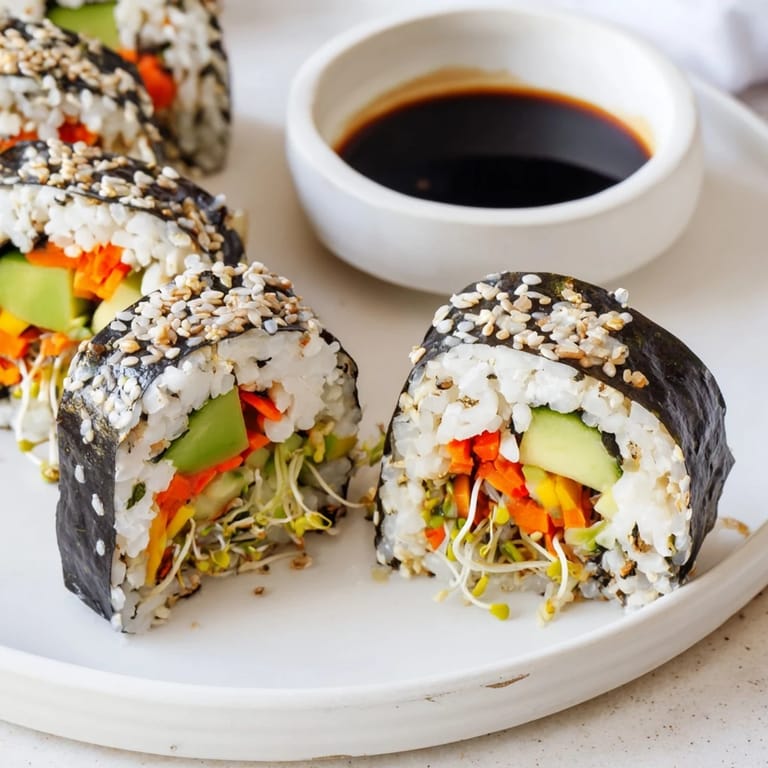
 The first time I tried making nori rolls at home, I was certain they would fall apart. I had this vision of vegetables spilling everywhere and seaweed sheets ripping under my clumsy fingers. But there something so satisfying about that first tight roll coming together, the sesame seeds catching the light just right. Now it is one of those recipes I turn to when I want something that feels fresh and intentional without much effort.
Last summer my neighbor came over for lunch and watched me roll these out, commenting how meditative the process looked. We ended up sitting at the counter with soy sauce smeared on our thumbs, eating them faster than I could slice. There is something communal about hand rolled food that brings people together in the best way.
Ingredients
- 1 medium cucumber: The crunch here is non negotiable, and cutting it into thin matchsticks makes each roll easier to bite through
- 1 ripe avocado: Choose one that gives slightly to pressure but is not mushy, as it needs to hold its shape inside the roll
- 1 cup mixed sprouts: Alfalfa or broccoli sprouts add this fresh bite that cuts through the rich avocado
- 1 medium carrot: Julienned carrots bring sweetness and the most gorgeous orange color peeking through the seaweed
- 1 small red bell pepper: The subtle sweetness and extra crunch make these feel special
- 8 sheets nori: Roasted seaweed sheets should be crisp and not brittle, with no tears along the edges
- 2 cups cooked sushi rice: This is optional but makes the rolls more substantial and satisfying
- 2 tablespoons rice vinegar: This seasons the rice and gives it that authentic tangy flavor
- 1 tablespoon toasted sesame seeds: They add nuttiness and the most incredible aroma when you bite into them
- Soy sauce or tamari: For dipping, this ties everything together with that salty umami depth
Tired of Takeout? 🥡
Get 10 meals you can make faster than delivery arrives. Seriously.
One email. No spam. Unsubscribe anytime.
Instructions
- Prep your rice:
- If using sushi rice, mix the warm cooked rice with rice vinegar and let it cool completely while you prep your vegetables
- Set up your station:
- Place a nori sheet shiny side down on a bamboo mat or clean towel, and keep a small bowl of water nearby for sealing edges
- Layer the foundation:
- Spread rice over the bottom third of the nori if using, leaving a border at the top for sealing later
- Add the vegetables:
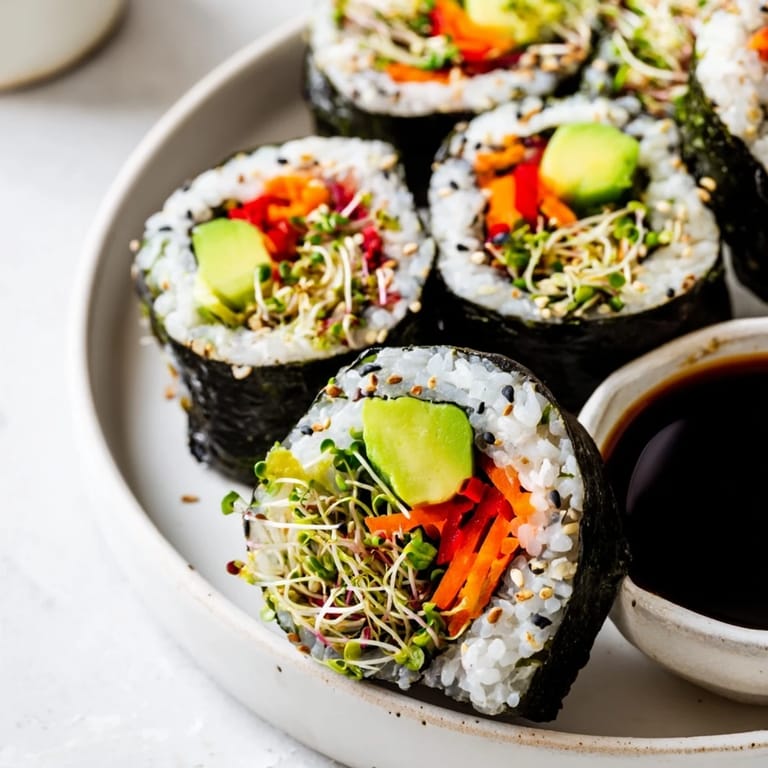
- Arrange your cucumber, avocado, sprouts, carrot, and bell pepper in a tight line across the rice or nori
- Roll it tight:
- Lift the mat and roll forward over the fillings, applying gentle pressure as you go, then seal the edge with water
- Slice and serve:
- Cut each roll into bite sized pieces with a sharp damp knife, wiping it clean between cuts for neat edges
 Pin this
 My friend once tried to make these without a bamboo mat and ended up with loosely wrapped burritos instead of tight rolls. We laughed about it over our messy lunch, but it taught me that having the right simple tools makes all the difference in the final result.
Getting the Rice Right
The rice needs to be cool enough to handle but still slightly warm for the best texture. If it is too hot, it will steam the nori and make it soggy, but cold rice will not stick together properly. I have found that spreading it on a baking sheet to cool helps it reach that perfect temperature faster.
Making Them Grain Free
Sometimes I skip the rice entirely and just pack in extra vegetables. The rolls become lighter and incredibly crunchy, almost like eating a salad wrapped in seaweed. It is surprising how filling they can be even without the rice, especially if you add more avocado for creaminess.
Customizing Your Fillings
Do not be afraid to play around with whatever vegetables you have on hand. I have used julienned kohlrabi, fresh herbs like cilantro or mint, and even quick pickled carrots for extra tang.
- Leftover roasted vegetables work surprisingly well if they are not too wet
- Thin slices of mango or pickled daikon add sweetness that balances the salty soy sauce
- A smear of spicy mayo inside makes these feel completely different and incredibly addictive
 Pin this
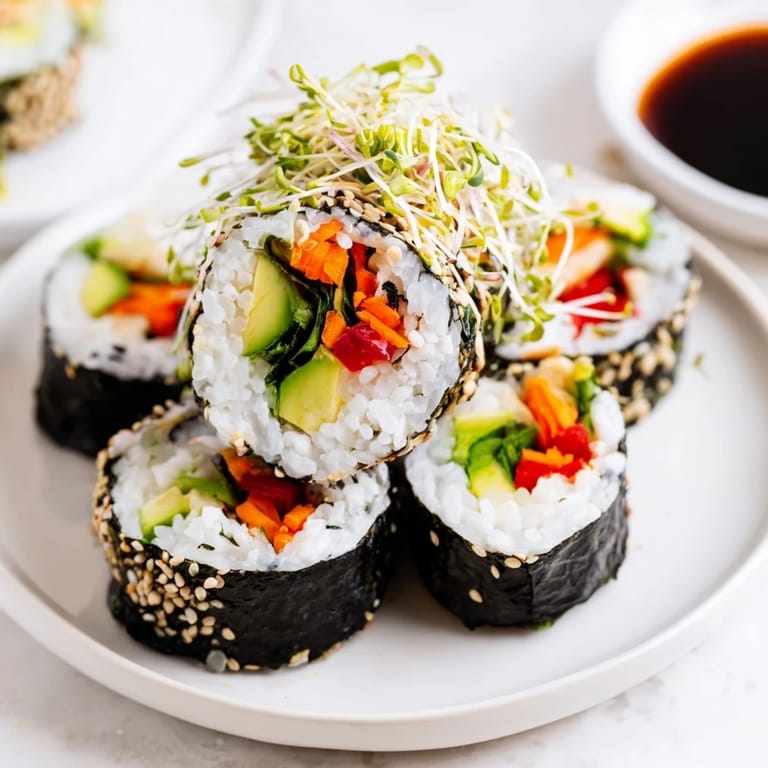
 These nori rolls have become my go to for quiet weekday lunches when I want something that feels nourishing but not heavy. There is something about eating them slowly, maybe with a cup of green tea, that turns an ordinary moment into something restorative.
Recipe Questions
- → What vegetables work best in nori rolls?
Julienned cucumber, carrot, and red bell pepper provide excellent crunch, while sliced avocado adds creaminess. Mixed sprouts like alfalfa, radish, or broccoli contribute fresh texture and nutrition.
- → Do I need a bamboo rolling mat?
A bamboo sushi mat helps achieve tight, even rolls, but a clean kitchen towel works as an alternative. The key is applying gentle, even pressure when rolling to keep the filling securely inside.
- → Can I make these grain-free?
Yes, simply omit the sushi rice and increase the vegetable filling. The nori holds everything together beautifully, and the vegetables provide substantial texture and flavor without needing rice.
- → How do I prevent the nori from tearing?
Handle nori sheets with dry hands and roll them while the ingredients are at room temperature. If the nori seems dry, lightly moisten the top edge with water to help it seal properly.
- → What's the best way to slice nori rolls?
Use a sharp knife dampened with water and employ a gentle sawing motion. Wipe the blade clean between slices to maintain clean edges and prevent filling from sticking.
- → How long do vegetable nori rolls keep?
For best results, serve immediately after slicing. The nori becomes softer over time, so if storing, wrap rolls tightly in plastic and consume within 4-6 hours for optimal texture.