 Pin this
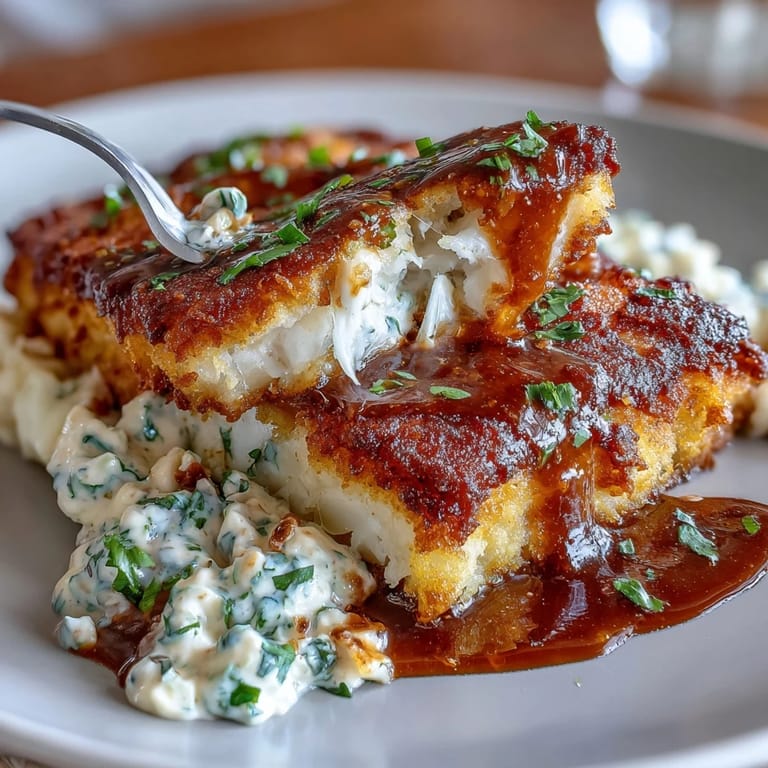
 My uncle's kitchen on a Friday night smelled like hot oil and cornmeal, the kind of smell that pulled you in before you even sat down. He'd fry catfish the way his mother taught him, golden and crackling, and I'd watch the fillets transform from pale to amber in what felt like seconds. There's something about Southern fried catfish that tastes like home, even if you're tasting it for the first time. That remoulade sauce—tangy, sharp, with a kick of horseradish—was the secret nobody talked about until you asked why his version tasted different from everyone else's. Now I understand it was never just about the fish.
I made this for my best friend's birthday dinner, and she took one bite and immediately asked for the recipe—not to make at home someday, but to make the next week. Watching someone's eyes light up over food you cooked yourself is its own kind of joy. That night, we forgot about everything stressful and just ate and talked for hours, the kind of evening you don't plan but somehow remember forever.
Ingredients
- Catfish fillets (4, about 6 oz each): Buy them fresh or frozen from a good source, and thaw overnight in the fridge if frozen—it makes a real difference in texture.
- Buttermilk (1 cup): This is your base for tenderness, the acid breaking down the fish slightly so it stays juicy through the frying.
- Hot sauce (1 teaspoon, plus 2 teaspoons for the sauce): Pick one you actually like drinking, because you'll taste it—I use Louisiana-style, but yours can be milder or fiercer.
- Yellow cornmeal (1 cup): This is where your crunch comes from, so don't skip it for flour alone.
- All-purpose flour (1/2 cup): The flour helps the cornmeal stick and gives you that extra golden crust.
- Paprika, garlic powder, onion powder, cayenne (1 teaspoon each of paprika, garlic, and onion, plus 1/2 teaspoon cayenne): These spices are what make this Southern, not just fried fish, so taste as you go and adjust if you like more heat.
- Salt and black pepper (1 teaspoon salt, 1/2 teaspoon pepper): Season generously because fried food needs it, and your seasoning will partly wash off in the oil.
- Vegetable oil (for frying): Use something neutral that can handle high heat; I learned the hard way that olive oil burns too fast.
- Mayonnaise (1/2 cup): For the remoulade, use the real stuff, not the low-fat version that tastes like regret.
- Dijon mustard (2 tablespoons): This gives the sauce backbone and a little sophistication.
- Prepared horseradish (1 tablespoon): This is the secret weapon that makes people ask what's different about your sauce.
- Sweet pickle relish (2 teaspoons): A tiny bit of sweetness balances all the sharp flavors.
- Fresh lemon juice (1 tablespoon): Squeeze it fresh, please—bottled won't give you the brightness.
- Garlic clove (1 small, minced): One clove is plenty; you want the garlic to whisper, not shout.
- Smoked paprika (2 teaspoons): For the sauce, this adds a subtle depth that regular paprika can't match.
- Fresh parsley (1 tablespoon, chopped): A little greenery makes the sauce look alive and adds a fresh note.
Tired of Takeout? 🥡
Get 10 meals you can make faster than delivery arrives. Seriously.
One email. No spam. Unsubscribe anytime.
Instructions
- Set up your marinade:
- Whisk buttermilk and hot sauce together in a shallow dish, then slip your catfish fillets in and let them sit for at least 15 minutes—longer is fine, up to a few hours if you're prepping ahead. This is when the magic starts, the acid from the buttermilk making the fish tender and ready to absorb flavor.
- Mix your coating:
- Combine cornmeal, flour, paprika, garlic powder, onion powder, cayenne, salt, and black pepper in another shallow dish and give it a little stir so the spices are evenly distributed. Don't skip this step even though it feels tedious; even seasoning matters.
- Heat your oil properly:
- Pour about an inch of vegetable oil into a deep skillet or Dutch oven and bring it to 350°F (175°C)—use a thermometer because eyeballing it is how oil gets too hot and fish gets too dark. Once it's ready, you'll hear it sing a little when you're cooking, a gentle crackling sound that means everything's right.
- Coat and fry:
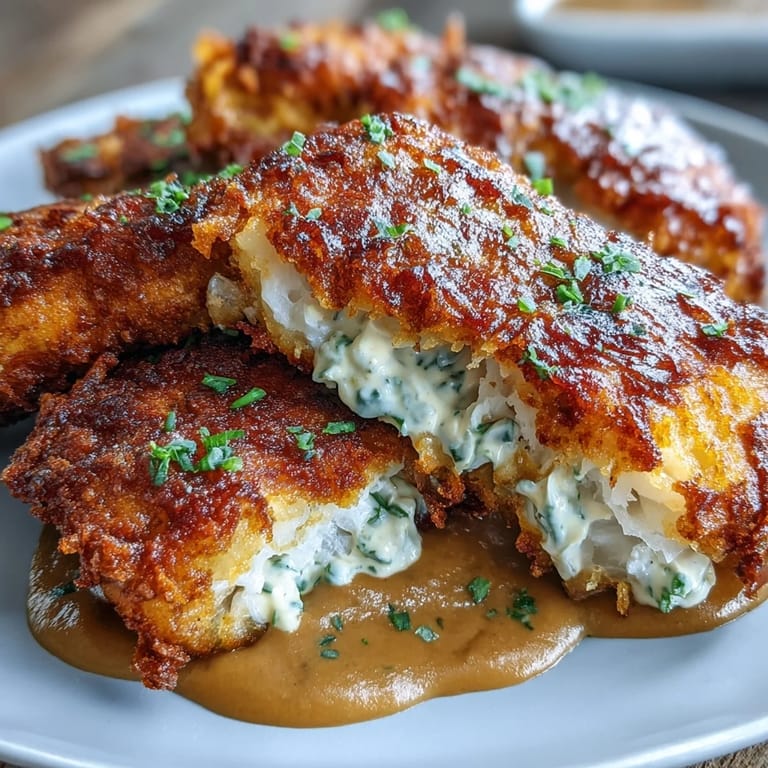
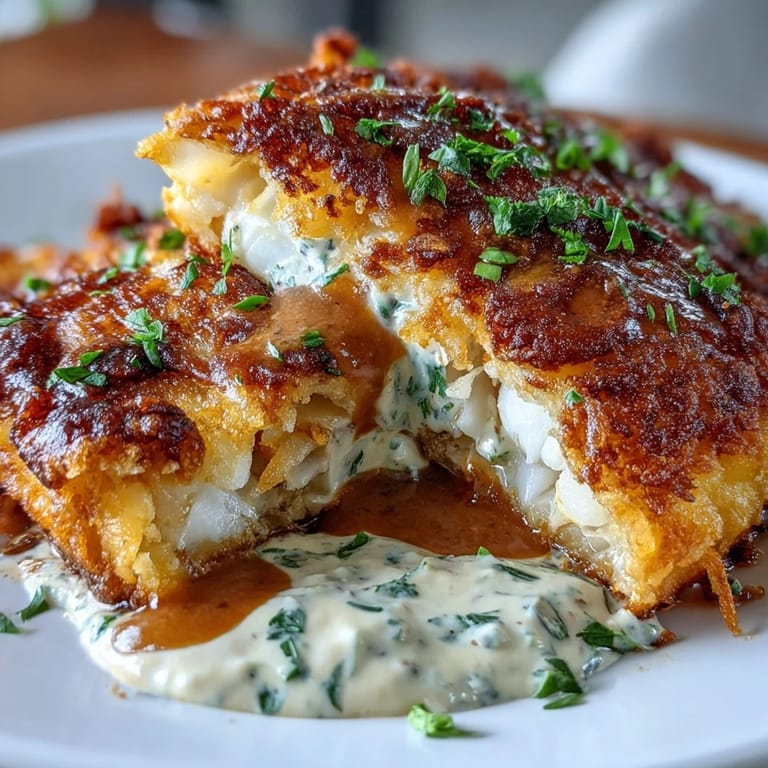
- Pull each fillet from the buttermilk, let excess drip back into the dish, then press it gently into the cornmeal mixture on both sides—pressing gently helps the coating stick without squishing the fish. Working in batches so you don't overcrowd the pan, slide the fillets into the hot oil and fry for 3 to 4 minutes per side until they're golden brown and the outside crackles when you press it.
- Drain and rest:
- Transfer each fillet to a paper towel-lined plate as soon as it comes out, letting the excess oil drain off while the fish stays crispy. If you stack them, they'll steam themselves soggy, so give them room to breathe.
- Make your remoulade:
- Combine mayonnaise, Dijon mustard, horseradish, hot sauce, pickle relish, lemon juice, minced garlic, smoked paprika, and parsley in a bowl and whisk until smooth. Taste it and add salt and pepper until you can't imagine it being better.
- Serve hot:
- Plate your catfish fillers while they're still warm and dollop the remoulade on the side, letting people control how much tang they want.
 Pin this
 There was a quiet moment during that birthday dinner when my friend caught my eye across the table, mid-bite, and smiled in a way that said everything. Food brings people together in ways conversation alone can't, and this dish—simple, generous, warm—does exactly that. It asks nothing of you except to show up hungry and willing to enjoy something real.
Why Temperature Matters More Than You Think
The first time I fried catfish, I didn't use a thermometer and figured 350°F felt hot enough—spoiler: it wasn't. The fillets came out pale and greasy, soaking up oil like they were thirsty. A few years later, I invested in a cheap instant-read thermometer and suddenly everything changed; the fish crisped up golden in minutes and didn't taste slick. Temperature control transforms fried food from something heavy into something light, and that's the difference between a dish you want to eat again and one you never speak of again.
The Remoulade Moment
When I first tasted remoulade sauce, I realized how much of traditional Southern cooking is about layering flavors—sharp, tangy, spicy, bright—all working together to make you want another bite. The horseradish was the ingredient that surprised me most; it adds a subtle heat that builds as you eat, not like pepper that hits and fades. Once you make it fresh, the bottled stuff in grocery stores feels thin and forgettable by comparison.
Make This Even Better
If you want to level up beyond the basic version, try the double-dip trick: after dredging in cornmeal, dip the fillet back into buttermilk and then coat again in the spiced cornmeal mixture. This gives you an almost insanely crispy, extra-thick crust that feels like you're eating fried chicken, but with delicate fish inside. Serve this alongside something cool and creamy—coleslaw is perfect, hush puppies turn it into a feast, and creamy grits underneath add Southern comfort that's hard to resist.
- Double-dipping takes an extra two minutes but creates a restaurant-quality crust that people remember.
- Pair with cold coleslaw or hush puppies to balance the richness of the fried fish.
- Make the remoulade sauce ahead of time; it tastes better after sitting in the fridge for an hour.
 Pin this
 This is the kind of recipe that becomes a staple because it's straightforward but tastes like someone who knows what they're doing made it. Once you nail this version, you'll find yourself making it whenever you want to feel a little Southern, a little proud, and completely satisfied.
Recipe Questions
- → How do I get a crispy coating on fried catfish?
Marinate fillets in buttermilk and hot sauce, then dredge in a seasoned cornmeal and flour mix. Fry in hot oil until golden brown for a crisp exterior.
- → Can I prepare the remoulade sauce ahead of time?
Yes, remoulade sauce can be mixed in advance and refrigerated to let the flavors meld before serving.
- → What oil is best for frying the catfish?
Use a vegetable oil with a high smoke point, such as canola or peanut oil, for even frying and a crispy finish.
- → Are there suitable fish alternatives to catfish?
Tilapia or cod can be used as substitutes, offering mild flavors that pair well with the spices and remoulade.
- → How can I add extra crunch to the catfish fillets?
Double-dipping the fillets by returning them to the buttermilk and dredging again before frying increases crunchiness.
- → What traditional sides complement this dish?
Classic accompaniments include coleslaw, hush puppies, or creamy grits to balance the crispy fish and zesty sauce.