 Pin this
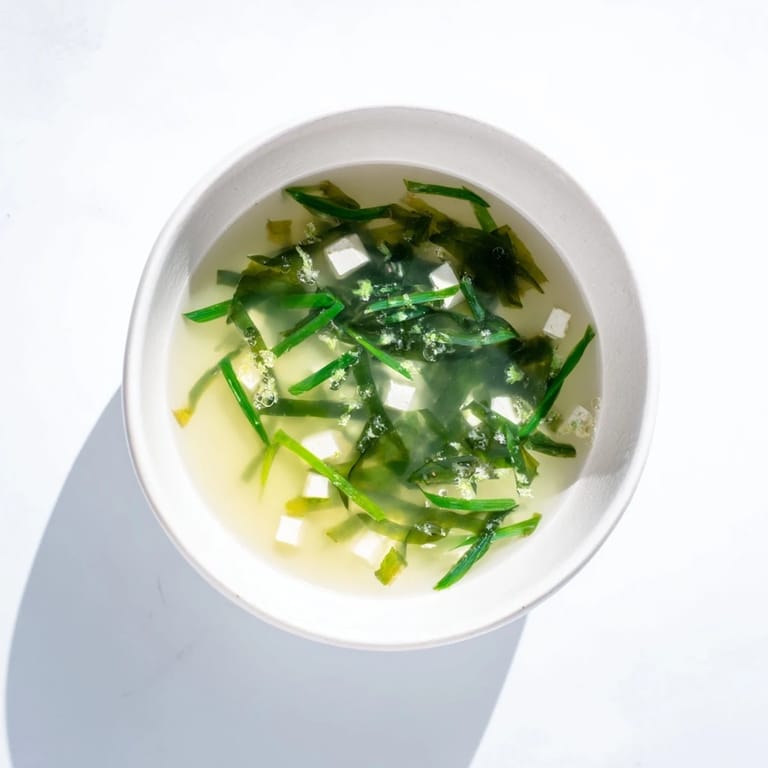
 The steam rising from my first bowl of wakame soup at a tiny Tokyo ramen shop still haunts me in the best way. It was pouring rain outside, and I was cold, tired, and desperately hungry. That one cup of clear, golden broth with tender seaweed ribbons and silken tofu felt like being wrapped in a warm blanket. Ive been chasing that comfort ever since.
Last winter, when my partner came down with a terrible cold, I made batch after batch of this soup. Something about the warm broth and minerals from the seaweed seemed to help more than anything else. Now it's our go-to whenever anyone in the house needs extra tending.
Ingredients
- Dried wakame seaweed: This expands dramatically when rehydrated, so a little goes a long way. I've learned to measure before soaking, not after.
- Dashi stock: The foundation of Japanese cooking. I keep instant dashi granules in my pantry for emergency soup nights.
- Silken or firm tofu: Silken feels more luxurious in the broth, but firm holds its shape better if you prefer substantial chunks.
- White miso paste: Milder and sweeter than red miso, perfect for delicate soups. Never boil miso or you'll kill its beneficial enzymes.
- Soy sauce: Just a touch adds depth without overpowering the subtle flavors.
- Sesame oil: Optional, but that tiny drizzle at the end makes everything taste more expensive.
Tired of Takeout? 🥡
Get 10 meals you can make faster than delivery arrives. Seriously.
One email. No spam. Unsubscribe anytime.
Instructions
- Wake up the wakame:
- Place those crinkly dried seaweed pieces in a small bowl with cold water. Watch them bloom into soft, beautiful green ribbons. Five minutes is all it takes.
- Warm the broth:
- Pour your dashi into a medium saucepan and bring it to a gentle simmer. You want movement, not a rolling boil.
- Add the treasures:
- Gently slide in your tofu cubes and drained wakame. Let them swim together for just 2 to 3 minutes. The tofu should be warmed through but still holding its shape.
- Dissolve the miso:
- This is the technique that matters. Ladle some hot broth into a separate bowl and whisk your miso paste until completely smooth. Never dump miso directly into the main pot.
- Bring it all together:
- Pour that miso mixture back into your soup. Add soy sauce and sesame oil if you're using them. Give it one gentle stir and heat for just 1 more minute. No boiling.
- Finish with freshness:
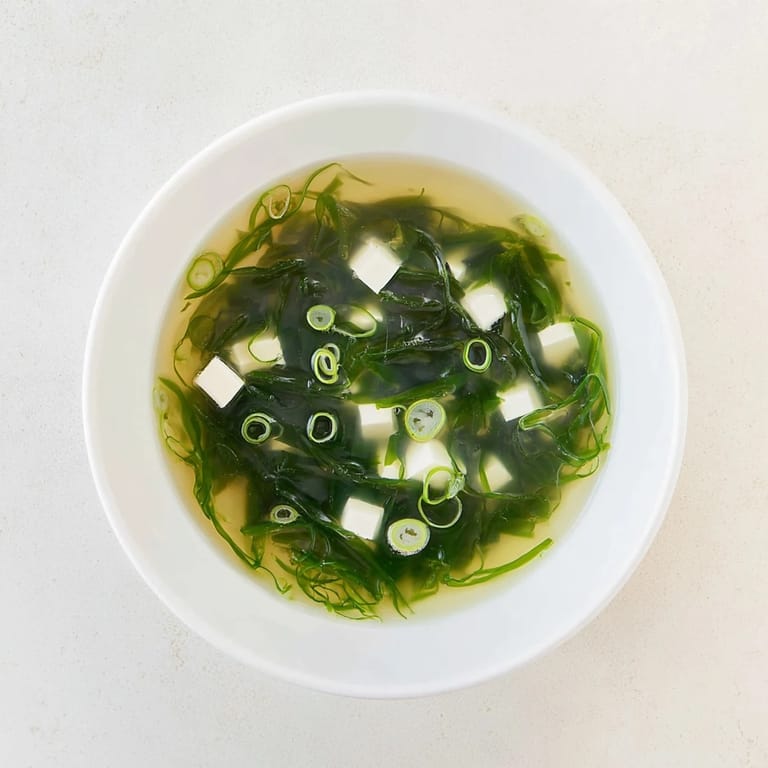
- Ladle into bowls and scatter those scallion slices on top while the soup is steaming hot. The contrast of sharp onion against the mellow broth is magic.
 Pin this
 This recipe has become my Sunday evening ritual now, that quiet moment before a new week begins. Something about the simple preparation clears my mind as effectively as the soup nourishes my body.
Making It Your Own
Once you master the basic version, you'll start seeing possibilities everywhere. I've added thinly sliced mushrooms during winter, fresh corn in summer, even tiny cubes of sweet potato when I wanted something more substantial. The broth is forgiving as long as you respect the miso.
The Dashi Decision
Traditional dashi uses bonito flakes, but I keep both instant kombu dashi and shiitake dashi in my pantry. The mushroom version adds incredible depth and makes the soup completely vegan. Honestly, most people can't tell the difference once the miso joins the party.
Serving Suggestions
While this soup stands alone beautifully, I love serving it alongside a simple donburi bowl or as part of a larger Japanese spread. The lightness balances perfectly with heavier mains like tempura or teriyaki.
- Keep some miso paste in your refrigerator for instant soup emergencies
- Leftover soup keeps for 2 days but the tofu texture will change
- A soft-boiled egg on top turns this into a complete meal
 Pin this
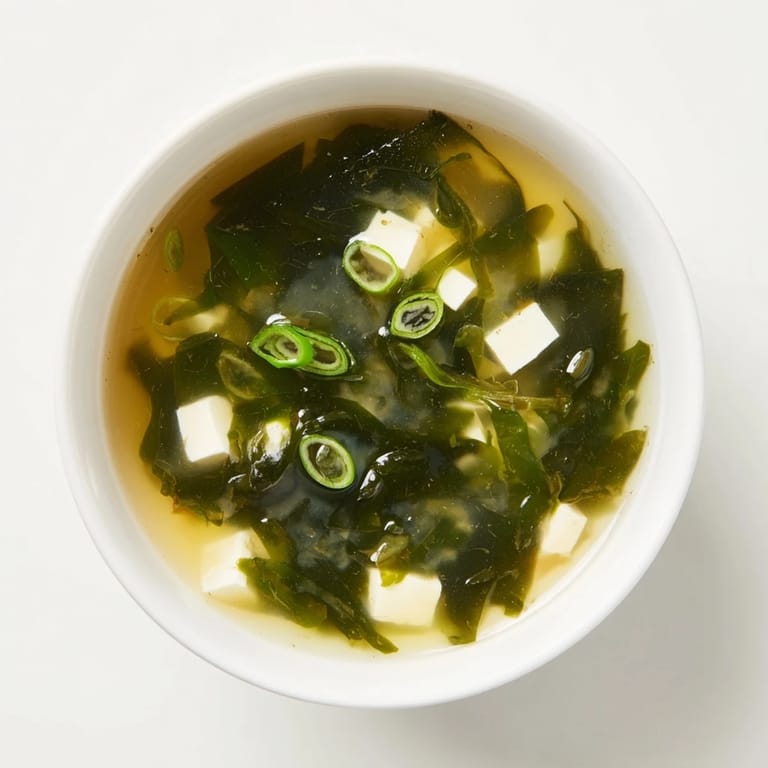
 There's something deeply restorative about this soup that goes beyond nutrition. Maybe it's the minerals, maybe it's the warmth, or maybe it's just the simple act of caring for yourself one bowl at a time.
Recipe Questions
- → What does wakame taste like?
Wakame has a mild, slightly sweet flavor with a subtle ocean essence. When rehydrated, it becomes tender and silky, adding a pleasant texture without overwhelming the delicate dashi broth.
- → Can I make this soup vegan?
Yes, simply use kombu and shiitake mushroom dashi instead of traditional fish-based dashi stock. The white miso and remaining ingredients are naturally plant-based.
- → Why shouldn't I boil the miso?
Boiling miso paste destroys its beneficial probiotics and can make the flavor bitter. Always remove the soup from heat or stir in miso off the boil to preserve its delicate taste and health properties.
- → Can I add other vegetables?
Absolutely. Sliced mushrooms, carrots, spinach, or daikon radish make excellent additions. Add harder vegetables like carrots earlier in the simmering process, while leafy greens like spinach go in during the last minute.
- → How long does wakame need to soak?
Dried wakame typically rehydrates in just 5 minutes of cold water soaking. The seaweed will expand significantly, so a small amount yields plenty once hydrated.
- → Is this soup gluten-free?
The soup can be gluten-free if you use tamari instead of regular soy sauce and verify your miso paste is certified gluten-free. Traditional dashi made from bonito flakes contains no gluten.