 Pin this
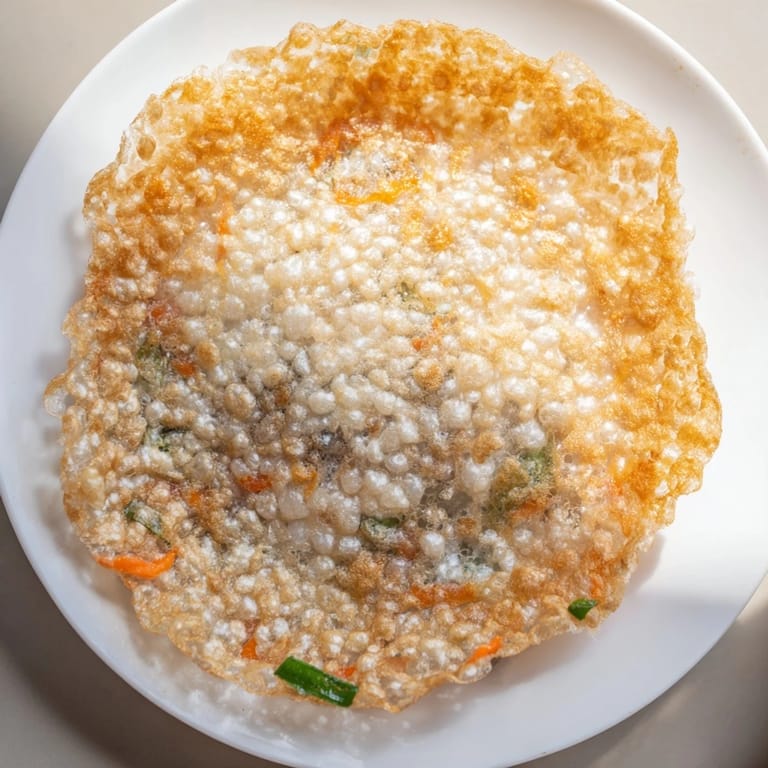
 There's something almost magical about the moment rice paper hits hot oil and transforms into a crackling shell of pure golden joy. I discovered these dumplings on a quiet Tuesday evening when I had nothing but vegetables wilting in my crisper drawer and a craving for something crispy. What started as a desperate attempt to use up scraps became an obsession, and now I find myself making batch after batch whenever friends mention they're hungry for something addictive.
I'll never forget cooking these for my sister's dinner party when she casually mentioned she'd gone vegan that week. Instead of panicking, I remembered these dumplings and pulled together the filling while she set the table. By the time the first batch came out of the pan, the whole kitchen smelled so incredible that her non-vegan husband asked for seconds before anyone else even sat down.
Ingredients
- Shredded green cabbage: The backbone of your filling, providing that light crunch that stays even after sautéing, unlike heavier vegetables that turn to mush.
- Grated carrot: Adds natural sweetness and a delicate flavor that balances the umami from the soy sauce.
- Shiitake mushrooms: These bring an earthy depth that makes the filling taste like it took hours to develop, when really you just finely chopped them.
- Green onions: A last-minute addition that keeps everything tasting fresh and stops the filling from feeling one-note.
- Garlic: Use fresh minced garlic, not the jarred stuff, because it's the difference between delicious and forgettable.
- Soy sauce or tamari: Your umami anchor, use tamari if you need gluten-free and honestly, I prefer it anyway.
- Sesame oil: Just a teaspoon transforms the filling from vegetables to something that tastes intentional and sophisticated.
- Fresh ginger: Micro-plane it for the finest texture so it distributes evenly and adds warmth without overwhelming heat.
- Rice paper sheets: The 22 cm round size is your best friend, large enough to work with but not so oversized you struggle to fold them.
- Neutral oil: Canola or avocado oil for frying, something with a high smoke point so your kitchen stays comfortable and the dumplings crisp up fast.
Tired of Takeout? 🥡
Get 10 meals you can make faster than delivery arrives. Seriously.
One email. No spam. Unsubscribe anytime.
Instructions
- Build your filling base:
- Combine the cabbage, carrot, mushrooms, green onions, garlic, soy sauce, sesame oil, and ginger in a large bowl. Mix everything thoroughly so the flavors have a chance to get friendly with each other.
- Warm the filling gently:
- Heat a nonstick skillet over medium heat and add the mixture, sautéing for 3 to 4 minutes until the vegetables just begin to soften but still hold their shape. This step matters because it removes excess moisture that would make your rice paper soggy, and it lets the flavors deepen slightly.
- Prepare your rice paper station:
- Fill a large shallow dish with warm water and lay out a damp kitchen towel where you'll assemble each dumpling. Think of this as setting up your workspace before you start cooking, except you're doing it now for maximum efficiency.
- Rehydrate and fill:
- Dip each sheet of rice paper into the warm water for about 5 to 10 seconds, testing it gently with your fingers until it becomes pliable but not mushy. Lay it on the damp towel, place 2 tablespoons of filling in the center, fold in the sides, and roll it up tightly like a burrito, sealing as you go.
- Repeat the assembly:
- Continue with the remaining rice paper and filling until you've used everything, arranging finished dumplings on a plate so they don't stick to each other.
- Get your pan ready:
- Heat your oil in a large nonstick skillet over medium heat, letting it shimmer gently before you add anything, which signals it's ready to crisp.
- Fry to golden perfection:
- Place dumplings seam side down in the pan with space between each one, cooking for 2 to 3 minutes per side until they turn golden and impossibly crispy. Flip gently using tongs or a spatula to avoid tearing the delicate wrapper.
- Make your dipping sauce:
- While dumplings cool slightly, mix the soy sauce or tamari, rice vinegar, maple syrup or honey, and chili flakes in a small bowl, stirring until the sweetness dissolves.
- Serve immediately:
- Arrange your dumplings on a plate while they're still warm, passing the dipping sauce alongside so everyone can adjust the heat and tang to their preference.
 Pin this
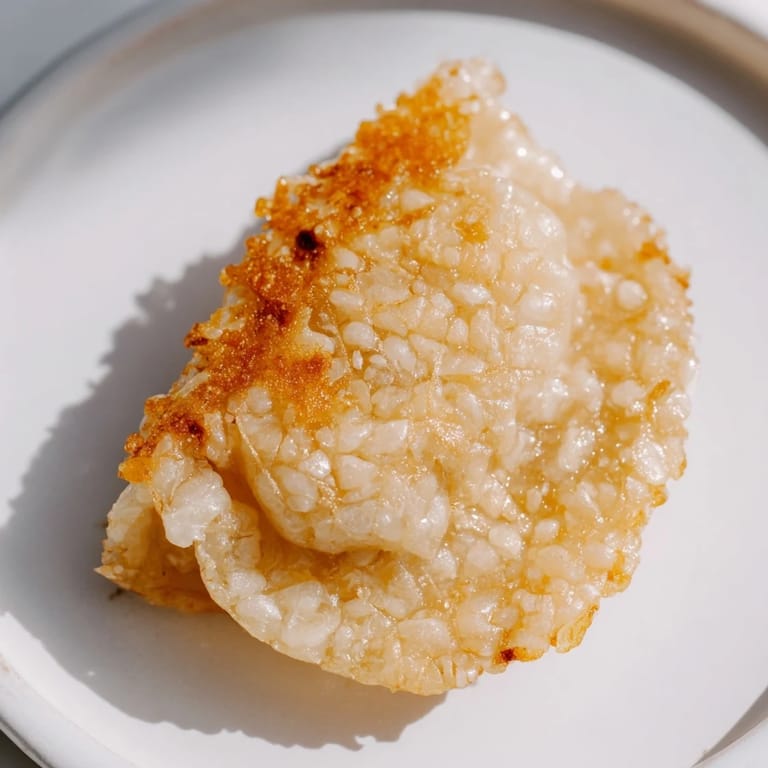
 There's a specific moment when these dumplings stop being just food and become something worth remembering, and it happens when you bite through that paper-thin crust and hear the crunch echo in your ears while your taste buds register all that umami and fresh vegetable flavor at once. My nephew once declared that these were better than the restaurant version his friend's parents brought home, and I think that's when I realized I'd created something worth making again and again.
The Rice Paper Secret Nobody Talks About
Most people think rice paper wrappers are fragile and finicky, but I've learned they're actually incredibly forgiving once you understand their personality. The trick is water temperature, which should be warm but not hot, and timing, which means dipping just long enough to soften without turning them translucent and mushy. I used to rewrap dumplings constantly when they'd tear, until I realized I was overthinking it and treating them like they were made of tissue paper when really they're tougher than they seem.
Why These Dumplings Disappear So Fast
The contrast between the crispy exterior and the tender, flavorful filling is what makes people reach for seconds without thinking about it. Once you nail the frying temperature, you'll find that this recipe becomes the one you make whenever you need something impressive but want to feel like you barely tried. I've served these at casual weeknight dinners and fancy gatherings alike, and the reaction is always the same stunned silence followed by the sound of enthusiastic chewing.
Make Ahead and Freezing Strategy
The magic of these dumplings is that you can assemble them hours or even days ahead, freeze them on a flat tray, and then fry them directly from the freezer without thawing. This means you can have restaurant-quality appetizers ready whenever inspiration strikes, which is honestly the dream when you're cooking for a crowd. A few quick tips to lock in your success.
- Assemble dumplings and freeze them seam side down on a parchment-lined tray for at least an hour before transferring to an airtight container so they maintain their shape.
- When frying from frozen, add just an extra minute per side because the filling needs time to warm through while the wrapper crisps.
- Double-wrap them in a second sheet of rice paper before frying if you want extra crunch and insurance against any small tears.
 Pin this
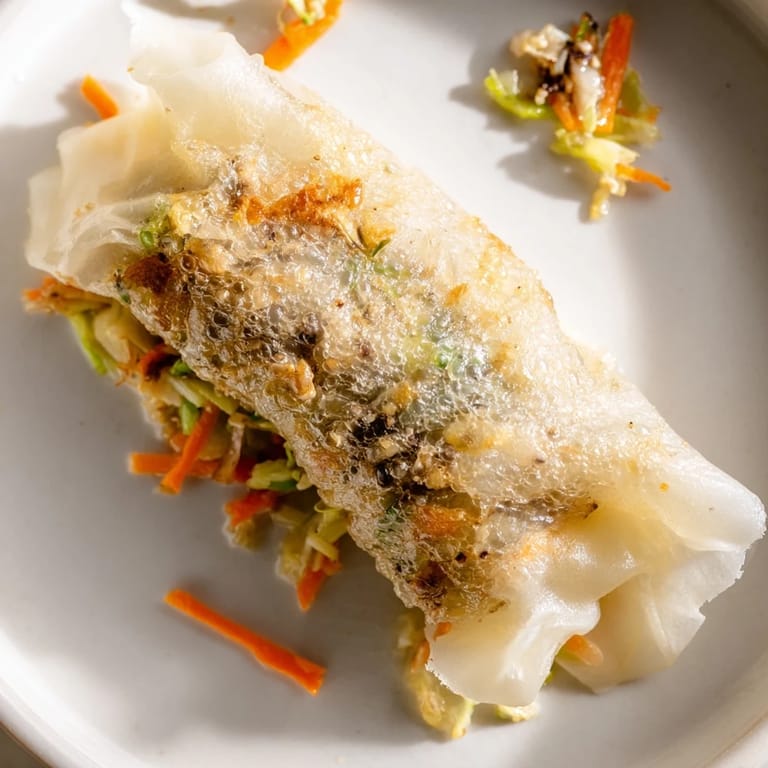
 These dumplings have become my go-to recipe whenever I want to cook something that tastes like I've been in the kitchen for hours but actually takes less time than ordering takeout. Once you make them once, you'll find yourself making them over and over.
Recipe Questions
- → How do I prevent the rice paper from tearing?
Dip the rice paper briefly in warm water until pliable but not overly soaked. Lay it on a damp towel and handle gently to avoid tears during folding.
- → What vegetables work best for the filling?
Shredded cabbage, grated carrot, chopped shiitake mushrooms, and sliced green onions create a flavorful and textured filling.
- → Can I make these ahead of time?
These dumplings are best enjoyed freshly fried to maintain their crispiness, but you can prepare the filling and assemble ahead, frying just before serving.
- → What oil is recommended for frying?
Use neutral oils like canola or avocado oil for frying to achieve a golden, crispy exterior without overpowering flavors.
- → Is there a vegan dipping sauce option?
Yes, a simple dipping sauce made with soy sauce or tamari, rice vinegar, maple syrup, and optional chili flakes pairs perfectly and is vegan-friendly.