 Pin this
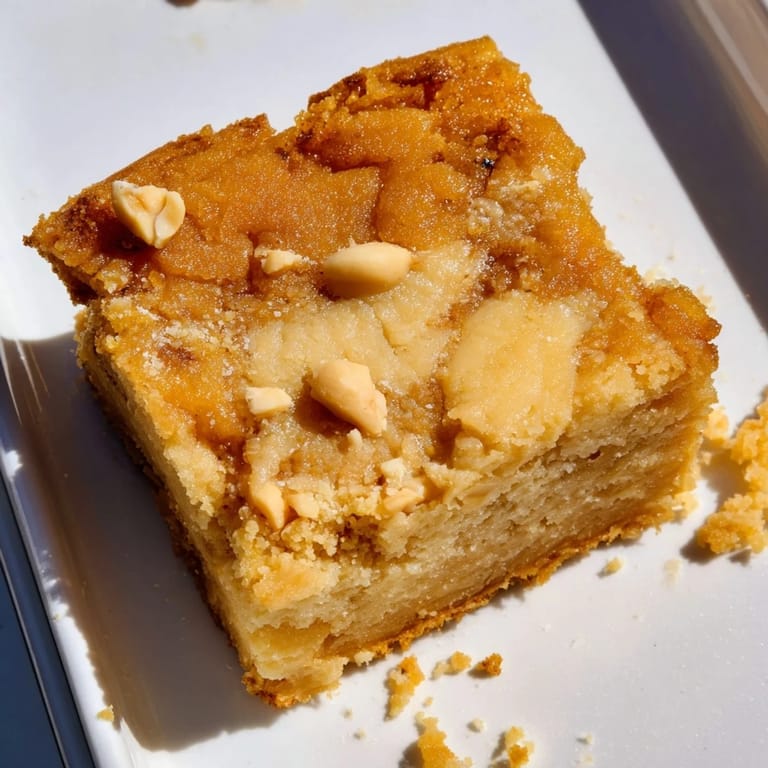
 Years ago, I was experimenting with mochi in ways my grandmother probably never intended, mixing it with peanut butter and baking it into cake form. The result was so unexpectedly good—chewy, tender, and deeply satisfying in a way that felt like bridging two very different kitchen traditions. Now it's become my go-to dessert when I want something that feels both comforting and a little bit adventurous. There's something magical about watching the batter transform into this golden-brown sponge with a chew that lingers just right.
I made this for a small potluck once, unsure if anyone would actually eat it, and three people asked for the recipe before they'd even finished their slice. Watching someone discover that mochi and peanut butter belong together is one of those quiet kitchen victories that sticks with you.
Ingredients
- Sweet rice flour (mochiko): This is the soul of the cake—it creates that signature chewy texture that regular flour simply cannot replicate, so don't be tempted to substitute.
- Granulated sugar: Brings sweetness and helps activate the baking powder for a subtle rise.
- Baking powder: Gives just enough lift to keep the cake from feeling too dense, though the texture remains wonderfully chewy.
- Salt: A pinch to balance the peanut butter's richness and enhance every other flavor.
- Whole milk and coconut milk: Together they create a tender crumb and add richness that complements the peanut butter beautifully.
- Eggs: Bind everything together and contribute to that custardy interior.
- Creamy peanut butter: The star—make sure it's natural or smooth, nothing chunky unless you want textural surprises.
- Melted butter: Adds moisture and a subtle richness that butter alone provides.
- Vanilla extract: Brightens the peanut butter and adds depth without announcing itself.
Tired of Takeout? 🥡
Get 10 meals you can make faster than delivery arrives. Seriously.
One email. No spam. Unsubscribe anytime.
Instructions
- Prepare your space:
- Heat the oven to 350°F and get a 9x13-inch pan ready with a light greasing or parchment paper—this prevents sticking on the chewy edges.
- Mix the dry team:
- In a large bowl, whisk together the sweet rice flour, sugar, baking powder, and salt until there are no lumps hiding in the corners. This is your foundation.
- Blend the wet ingredients:
- In another bowl, whisk the milk, coconut milk, eggs, peanut butter, melted butter, and vanilla until completely smooth and creamy—no streaks of peanut butter should remain.
- Bring them together:
- Pour the wet into the dry and whisk gently but thoroughly until the batter has no lumps. It should feel smooth and pour without resistance.
- Pour and tap:
- Transfer the batter to the pan and give it a few gentle taps on the counter to release any trapped air bubbles that might create odd holes.
- Bake with patience:
- Slide it into the oven for 45 to 50 minutes—the top should turn golden brown and a toothpick inserted in the center should come out clean or with just a few moist crumbs clinging to it.
- Cool completely:
- Let it rest in the pan until it reaches room temperature; this helps it set properly so each slice stays intact and chewy.
- Slice and serve:
- Cut into generous squares and serve at room temperature or chilled, depending on your mood and the weather.
 Pin this
 There's a moment when you pull this cake out of the oven and the whole kitchen smells like toasted peanut butter and vanilla—that's when you know something worth keeping is happening. It's the kind of dessert that makes people feel cared for without requiring you to spend hours in the kitchen.
Texture and Flavor Balance
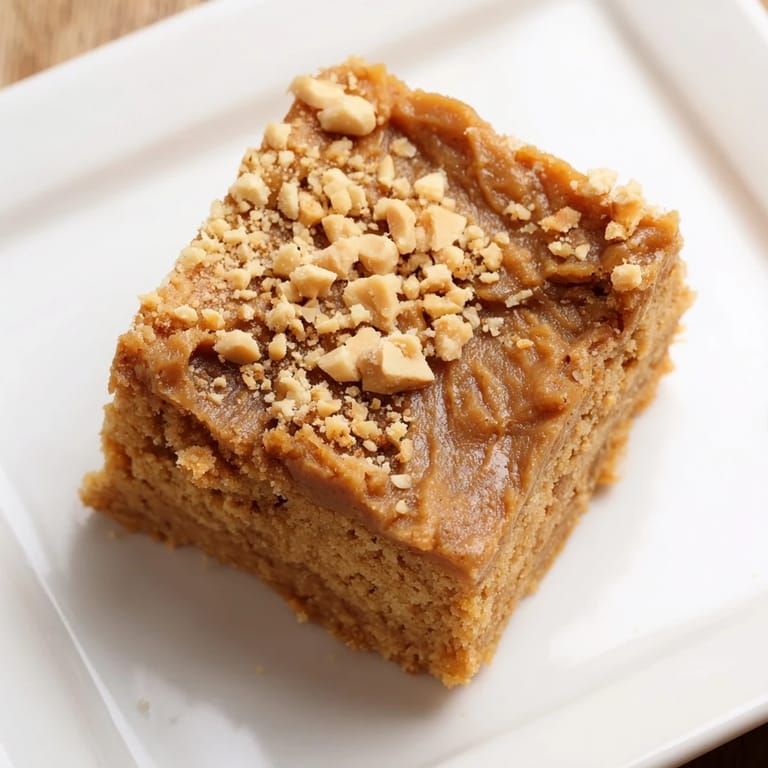
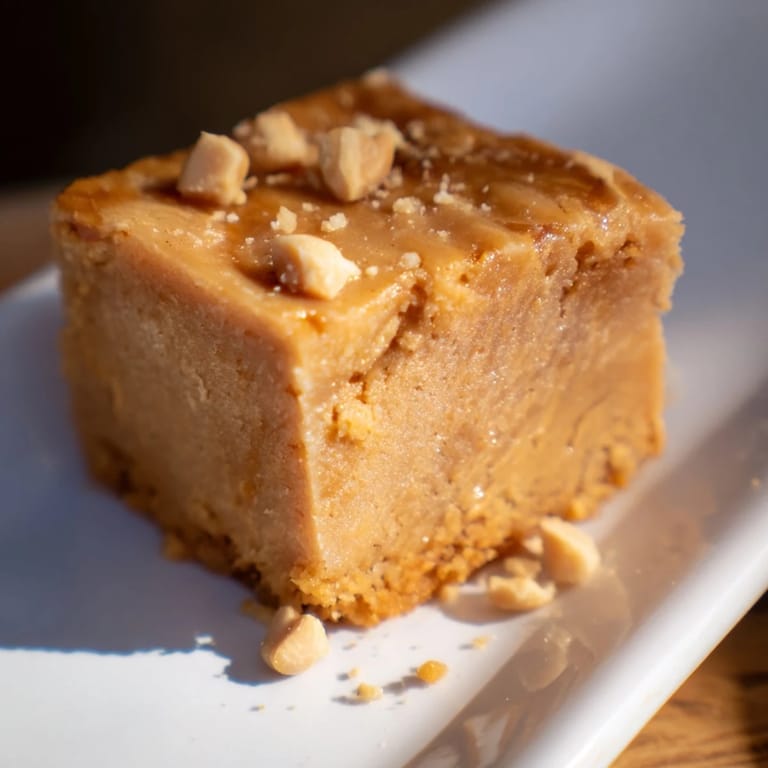
The genius of this cake lives in its contrast: chewy and moist on the inside, with just enough structure to hold together, while the peanut butter adds a subtle earthiness that keeps it from feeling too sweet. The coconut milk doesn't scream coconut—it whispers richness underneath, letting the peanut butter remain the main character. If you've ever felt like mochi was too plain or cake was too dry, this recipe shows you what happens when you stop choosing between them.
Storage and Making Ahead
This cake actually improves after a day or two in the fridge, as the flavors meld and the texture becomes even more set. Wrap slices individually in plastic wrap or keep the whole cake in an airtight container, and it will stay fresh for up to four days. You can even freeze it for a month if you want to get ahead, though I've rarely managed that before someone discovers it and asks for a slice.
Simple Ways to Make It Yours
While this recipe stands perfectly on its own, a few small additions can shift the mood entirely. Try sprinkling roasted peanuts on top before baking for a little crunch, or dust the finished cake with powdered sugar for an elegant look. Some people drizzle it with melted chocolate or serve it with a dollop of whipped cream and fresh berries, turning it into something that feels almost fancy.
- Roasted peanuts on top add texture and deepen the peanut flavor before baking.
- A light dusting of powdered sugar once cool makes it feel more finished and refined.
- Serve with fresh fruit or whipped cream to balance the richness with brightness.
 Pin this
 This cake exists somewhere between tradition and improvisation, between two kitchens that never expected to meet but turned out to complement each other perfectly. Make it once and it becomes part of your repertoire, the kind of dessert you reach for when you want to feel like you've done something kind without actually doing much at all.
Recipe Questions
- → What makes the mochi cake chewy?
The characteristic chewiness comes from using glutinous rice flour (mochiko), which creates a sticky, dense texture different from regular rice flour.
- → Can I substitute coconut milk with another milk?
Yes, evaporated milk can be used instead of coconut milk for a lighter, less rich flavor while keeping the texture moist.
- → How do I know when the cake is done baking?
Bake until the top is golden brown and a toothpick inserted in the center comes out clean, usually around 45 to 50 minutes.
- → Is this suitable for gluten-free diets?
Yes, using glutinous rice flour ensures this cake is gluten-free, but always check ingredient labels for cross-contamination risk.
- → How can I add texture to the mochi cake?
Sprinkling roasted peanuts on top before baking adds a pleasant nutty crunch that contrasts nicely with the chewy cake.
- → What serving suggestions work well with this cake?
Serving with whipped cream or fresh fruit enhances its flavor, offering a creamy or refreshing balance to the dense texture.