 Pin this
 The first time I tasted makroudh was at a friend's kitchen table in Tunis, where her grandmother was frying batch after batch, the oil crackling in that particular way that signals something special is happening. The smell—honey, cinnamon, dates—filled every corner of the apartment, and I watched in fascination as she folded the dough with such practiced ease that it seemed like second nature. She handed me one still warm, and I bit through that golden, crispy exterior into the soft date paste inside, and I understood immediately why these cookies show up at every celebration. There's a reason they've been made the same way for generations.
I made these for a potluck last spring, nervous because I'd only tried them once before, and honestly, I almost didn't bring them because I was convinced something would go wrong. But when I pulled that second batch from the oil and they emerged perfect and honey-glazed, I felt this small rush of pride that surprised me. People came back for thirds, and someone asked for the recipe, and I realized that sometimes the dishes that seem most intimidating are actually the most rewarding to share.
Ingredients
- Fine semolina: This is the backbone of your cookie—it creates that distinctive grainy texture and golden color, so don't substitute with regular flour or you'll lose the whole character of the dish.
- Unsalted butter and olive oil: The combination is crucial; the butter adds richness while the olive oil keeps the dough tender and prevents it from getting tough when you knead it.
- Warm water: Add it slowly because semolina absorbs differently depending on humidity, and you want a soft dough that's just barely pliable, not wet.
- Pitted dates: Buy them whole if you can find them, because chopping them yourself means you control the texture of your filling—some pieces soft, some still slightly firm.
- Cinnamon and nutmeg: These aren't afterthoughts; they're what make people pause mid-bite and ask what that warm spice is.
- Orange blossom water: This is optional but it's the secret that elevates these from good to 'wait, what is that flavor'—use it if you can.
- Honey for the syrup: Use good honey, not the kind in the squeeze bottle, because it's doing real work here in the final moment.
Tired of Takeout? 🥡
Get 10 meals you can make faster than delivery arrives. Seriously.
One email. No spam. Unsubscribe anytime.
Instructions
- Make your date paste while you're thinking about it:
- Warm the dates with butter over low heat, stirring constantly until they break down into something that looks like thick jam. You'll know it's ready when it smells incredible and holds together when you press it, which usually takes about 5 minutes; if you have orange blossom water, stir it in at the end and let everything cool before shaping.
- Build your dough gently:
- Mix your dry ingredients, then pour in the oils and use your fingertips to rub everything together until it feels like damp sand. Gradually add warm water while kneading—just until it comes together into something soft and slightly sticky, then stop, cover it, and let it rest for 20 minutes because this rest is when the semolina fully hydrates.
- Shape with confidence:
- Split your dough in half and roll each piece into a thick log, then use your finger to press a deep groove down the center. Lay your date log into that groove, fold the dough over, seal the edges by pressing gently, and then flatten the whole thing slightly before cutting diagonally into diamond shapes.
- Fry until they're golden and gorgeous:
- Get your oil to 170°C—use a thermometer because guessing here means the difference between crispy and greasy. Fry in small batches so the oil temperature stays steady, and you'll know they're ready when they're deeply golden on all sides, usually 5 to 7 minutes total.
- Finish with honey and a moment of pause:
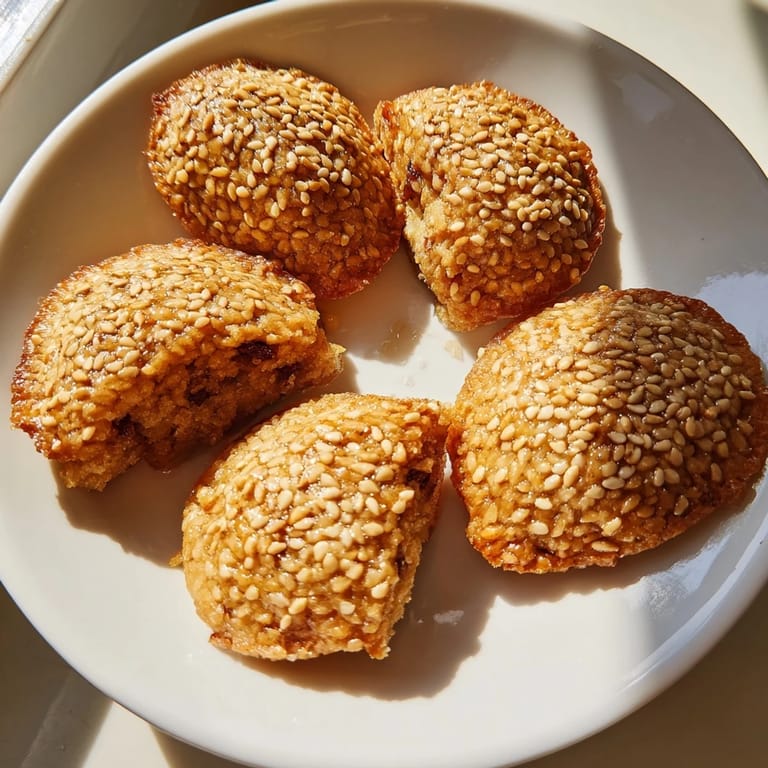
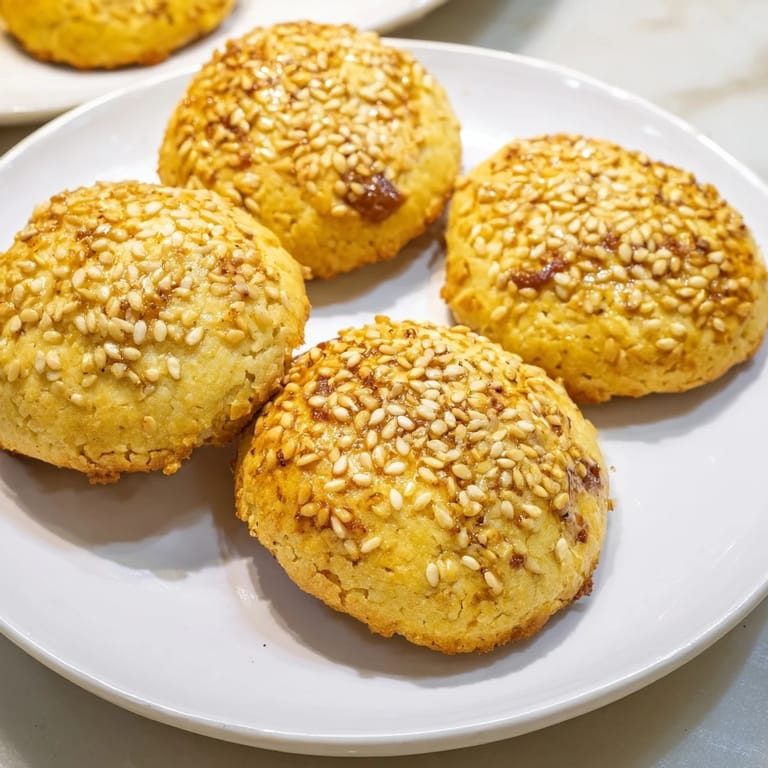
- Warm your honey gently with orange blossom water if you're using it, then dip each hot makroudh into the syrup and set it on a wire rack to drain. Sprinkle with sesame seeds while they're still wet so they stick, and then try not to eat them all before they cool.
 Pin this
 There's something wonderful about standing at someone's stove in the late afternoon, watching oil bubble and shimmer, waiting for each batch to emerge golden. My friend's grandmother told me that makroudh are meant to be shared, which is why she makes so many—not because they keep perfectly, though they do, but because the act of making them and watching people's faces when they taste them is the whole point.
The Honey Syrup Moment
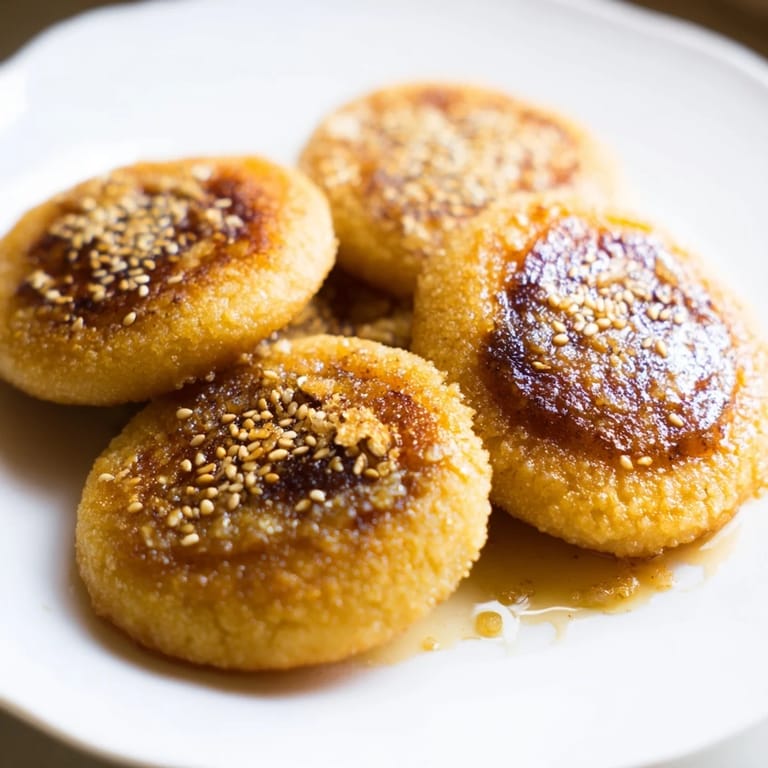
This is where makroudh become themselves—the crispy exterior meets the warm honey, and something almost magical happens. The syrup isn't just a coating; it's a final flavor layer that softens the cookie slightly while keeping it crunchy, which is why dipping matters more than just drizzling. Some people add a tiny bit of rose water to the honey instead of orange blossom water, and honestly, both are beautiful, so choose based on what you have or what calls to you.
Storing and Freezing
These keep for a full week in an airtight container, which sounds like plenty of time but never is because you'll keep opening the container for just one more cookie. The freezer, though—that's where the real magic happens, because you can freeze them in a single layer on a baking sheet before storing them, and then they'll keep for months, ready to warm gently or eat straight from the cold.
Variations and Flexibility
The bones of this recipe are rock-solid, but the soul is flexible, which is what I love about traditional cookies. You can change the spices based on your mood—some people add a pinch of cardamom or clove instead of nutmeg, and it shifts the entire flavor profile in a subtle but noticeable way. You can play with the date filling too; some versions add a bit of ground pistachios or walnuts mixed into the paste, which adds texture and a different kind of richness.
- If you don't have orange blossom water, rose water works beautifully, or skip it entirely for a more straightforward, date-forward flavor.
- For a lighter option that feels less rich, the baked version at 180°C for 25 to 30 minutes is genuinely delicious, just with a different texture.
- These freeze brilliantly, so make a double batch and thank yourself later when you want something special without the effort.
 Pin this
 Making makroudh is one of those recipes that reminds you why cooking matters—it's not just about eating something delicious, it's about connecting to something that people have been making for generations. Once you make them, they'll become part of your rotation, the thing you reach for when you want to feel proud of what you've made.
Recipe Questions
- → What type of flour is used for the dough?
Fine semolina is used to create a textured, crispy crust that distinguishes these pastries.
- → How is the date filling prepared?
Dates are cooked gently with butter, cinnamon, nutmeg, and optional orange blossom water until softened into a paste.
- → What cooking method is used for the pastries?
The filled dough logs are deep-fried until golden and crisp, then dipped into warm honey syrup.
- → Can the orange blossom water be substituted?
Yes, rose water can be used as an alternative or omitted for a simpler flavor profile.
- → Are there baking options available?
For a lighter version, the pastries can be baked at 180°C (350°F) until golden before dipping in syrup.