 Pin this
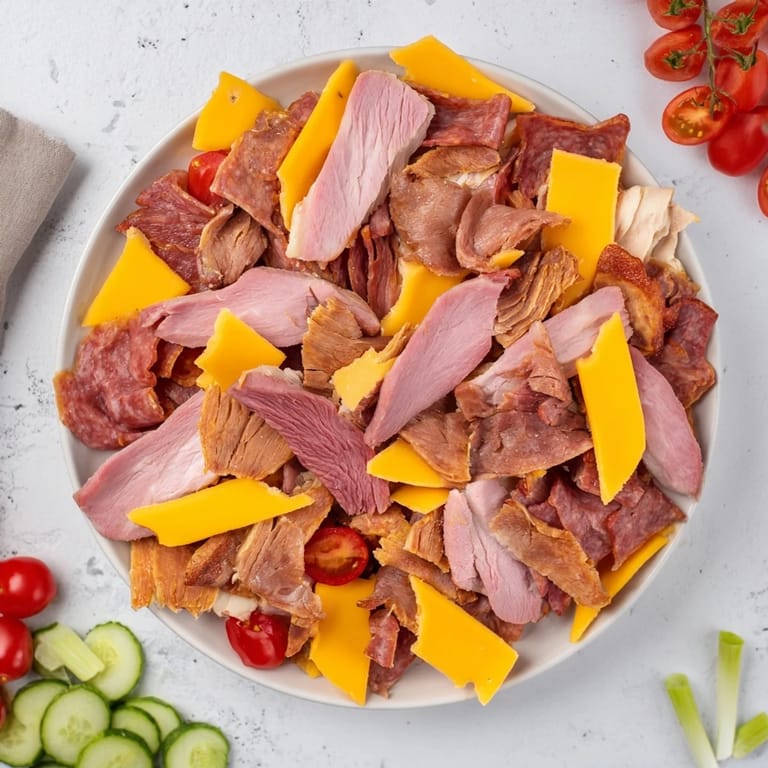
 I discovered the magic of a keto power plate during a dinner party when I realized my guests with different dietary needs were all picking at separate dishes. That's when it clicked—why not create one stunning platter that celebrates premium meats, creamy cheeses, and crisp vegetables in a way that feels indulgent without any compromise? Now whenever I want to impress without spending hours at the stove, this is my go-to move.
I'll never forget serving this at a impromptu game night when someone asked if I'd been cooking all day. The truth? I'd spent twenty minutes arranging beautiful things on a platter. Their faces when they realized how simple it was—that's the moment I knew this recipe was a keeper.
Ingredients
- Sliced roast beef (120 g): Look for thinly sliced beef that's still tender and slightly rosy—it's the star that anchors your platter with savory elegance
- Smoked turkey (120 g): The lighter counterpoint that adds complexity without heaviness; slicing it yourself from a good quality piece makes all the difference
- Prosciutto (120 g): This silky, salty treasure deserves respect—drape it loosely rather than folding, so it catches the light like little ribbons
- Salami (100 g): Choose a quality version with good marbling; the slight fattiness is what makes each bite memorable
- Aged cheddar (100 g): Cubing it means more surfaces for flavor; the sharpness plays beautifully against the tender meats
- Gruyère (100 g): This cheese is a game-changer—slightly nutty and creamy, it feels luxurious without being pretentious
- Manchego (100 g): The Spanish touch that brings a subtle earthiness; slice it thin enough to let light pass through
- Cherry tomatoes (1 cup): Halving them exposes their juicy centers and creates natural little bowls for dressing
- Cucumber (1 cup): Slice on a bias for elegance; the coolness refreshes between bites of rich meats and cheeses
- Radishes (1 cup): Their peppery snap cuts through richness like nothing else; slice them paper-thin if your knife skills allow
- Baby bell peppers (1 cup): Their sweetness becomes apparent when you slow down and really taste them alongside salty cured meats
- Celery sticks (1 cup): Often overlooked, but their crunch and mild flavor are the perfect palate cleanser
- Green and black olives (1/2 cup total): These are your color accent and flavor anchor; scatter them throughout like little jewels
- Fresh parsley (2 tbsp): Don't skip the garnish—that final shower of green brings everything to life visually and adds a whisper of freshness
- Extra virgin olive oil (2 tbsp): A light drizzle right before serving keeps vegetables from wilting and adds silky richness
- Freshly ground black pepper: Grind it fresh right at the table if you can; it's the final note of sophistication
Tired of Takeout? 🥡
Get 10 meals you can make faster than delivery arrives. Seriously.
One email. No spam. Unsubscribe anytime.
Instructions
- Start with the meats:
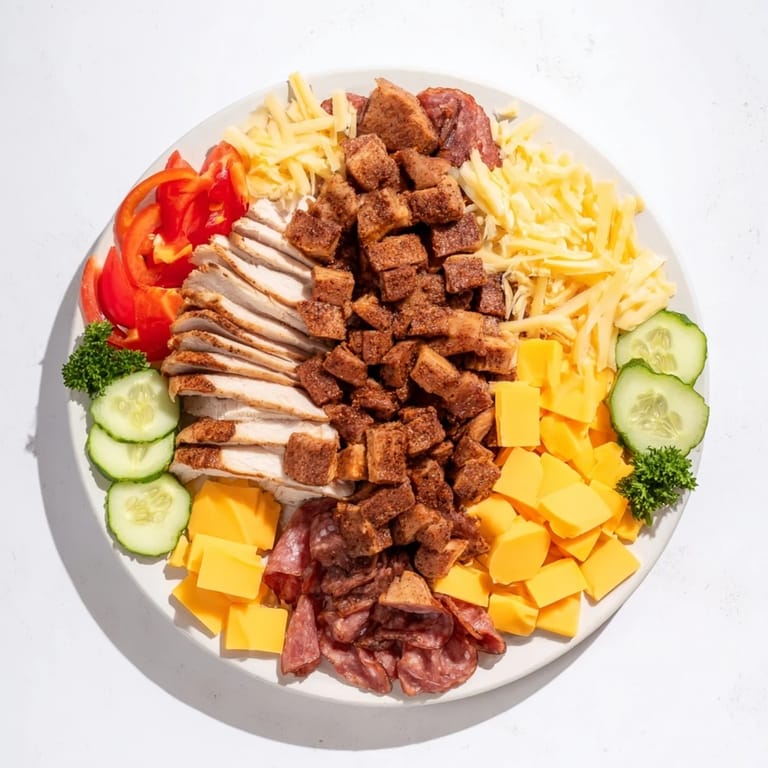
- Choose your largest, most beautiful platter—this is your canvas. Arrange each meat type in its own section, clustering them densely so they create bold visual blocks of color. Think about where roast beef's deep burgundy will contrast with the smoked turkey's pale gold and the prosciutto's delicate pink. Let each variety have its moment.
- Build with cheese:
- Now place your cheeses beside the meat clusters, letting the shapes vary—cubes next to slices next to more slices. The aged cheddar's deeper yellow will make the Gruyère glow. You're creating a visual rhythm that your eye follows naturally around the platter.
- Fill the spaces strategically:
- Nestle your vegetables into the remaining real estate, grouping similar items together. Keep tomato halves together, cucumber slices in their own little stream, radishes clustered. This organized approach paradoxically makes everything look more abundant and thoughtfully arranged.
- Scatter the olives:
- These little dark jewels go wherever there's a gap that needs color. They're your seasoning for the eye. Don't overthink it—just let them fall naturally across the platter in little groupings.
- Dress lightly and season:
- Drizzle the olive oil gently across the vegetables, letting it pool slightly. It should glisten, not drip. Then crack fresh pepper over everything just before serving—this final touch brings out aromas and says you care about details.
- Crown with parsley:
- Scatter the chopped parsley across the platter right as people are about to eat. It adds that final pop of green that makes everything look alive and intentional.
 Pin this
 There was a moment during a family gathering when my usually picky nephew reached for the radish first, then the aged cheddar, then the prosciutto, and said, 'This is fancy.' That's when I realized this platter speaks a language that bypasses everyone's usual food preferences and just says, 'We're worth it.'
The Art of the Arrangement
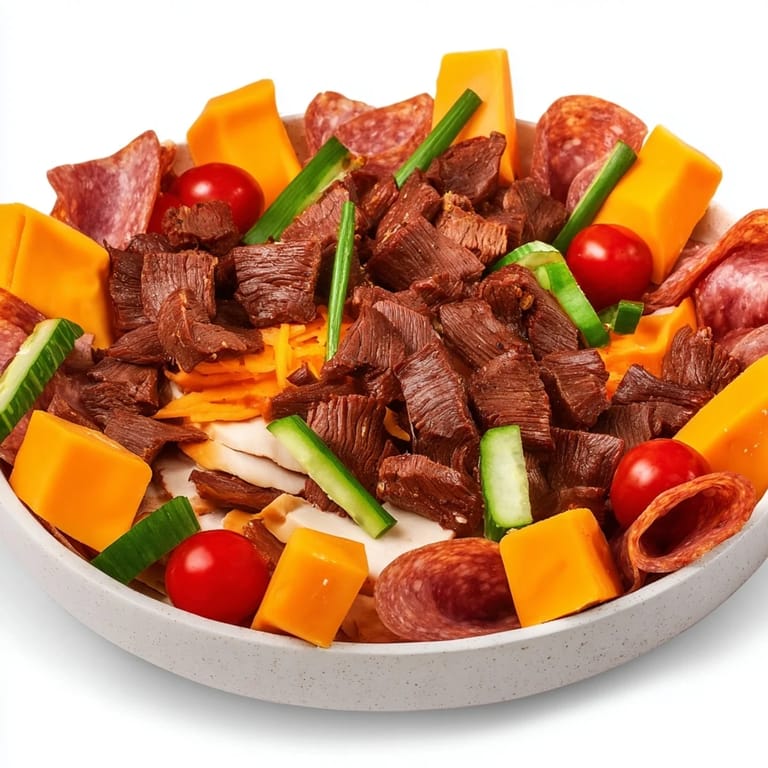
What transforms this from a random collection of good ingredients into something that stops people mid-conversation is the arrangement itself. When you take time to cluster similar items, alternate colors intentionally, and create visual balance, you're not just putting food on a plate—you're telling a story of care and intention. I learned this from watching fancy charcuterie boards, but the principle applies here too: density creates impact, contrast creates interest, and balance creates satisfaction before anyone even takes the first bite. Your platter should look like a curated collection, not a lunch box dumped onto ceramics.
Making It Work for Your Crowd
One of my favorite things about this plate is how it adapts. Missing one of the meats? The platter still works beautifully. Prefer different cheeses? Go for it. Have someone avoiding certain ingredients? They can simply skip those sections. I've made versions with roast chicken instead of beef, with Emmental instead of Gruyère, with pickled vegetables instead of fresh, and honestly, each variation has its own charm. The beauty is in the structure and the quality of what you include, not in hitting some exact formula. This flexibility is why I return to it again and again.
Serving Suggestions and Pairings
This plate isn't just food; it's an experience meant to be savored slowly. Serve it with something to sip—a dry white wine is perfect, but sparkling water with lemon is equally sophisticated and won't overpower the delicate flavors. Consider adding small bowls of keto-friendly dips like garlic aioli or herbed cream cheese nearby; they give people permission to customize each bite. I like to set this out for lunch with crusty bread on the side (which can be enjoyed by non-keto guests), though it's equally at home as a light dinner or impressive appetizer spread.
- Pair with a crisp Sauvignon Blanc or unoaked Chardonnay if wine is your choice
- Set out small plates and let people graze slowly rather than rushing through
- Add keto-friendly dips or spreads in small bowls for those who want extra flavor
 Pin this
 This keto power plate taught me that sometimes the most impressive meals don't require cooking at all—they require attention, intention, and a willingness to celebrate good ingredients in their simplest form. It's become my answer to almost every entertaining question.
Recipe Questions
- → What meats are used in the Keto Power Plate?
It features sliced roast beef, smoked turkey, prosciutto, and salami for a variety of rich and savory flavors.
- → Which cheeses complement this dish?
Aged cheddar, Gruyère, and Manchego cheeses are included for their firm textures and pronounced tastes.
- → How are the vegetables prepared?
Non-starchy vegetables like cherry tomatoes, cucumber, radishes, baby bell peppers, and celery are sliced or halved to add freshness and crunch.
- → Are there any garnishes used?
Green and black olives provide briny accents while chopped parsley and a drizzle of extra virgin olive oil enhance flavor and presentation.
- → Can ingredients be substituted?
Yes, meats like roast chicken or cheeses such as Emmental can be swapped, and pickled vegetables or fresh herbs added for variety.